iPhone版
  Android版
前不久去了一趟苏州,去了一趟太湖大学堂。
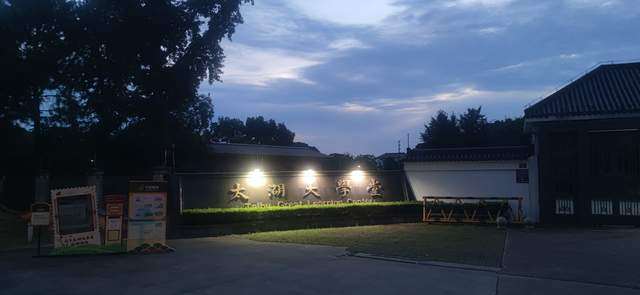
坐高铁到苏州站,再坐地铁,然后地铁站附近有个吴江七都公交专线,到太湖大学堂的时候天已经黑了。
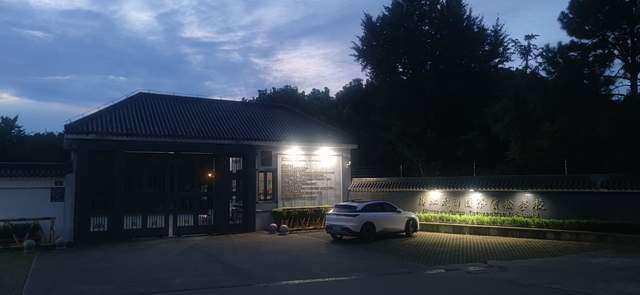
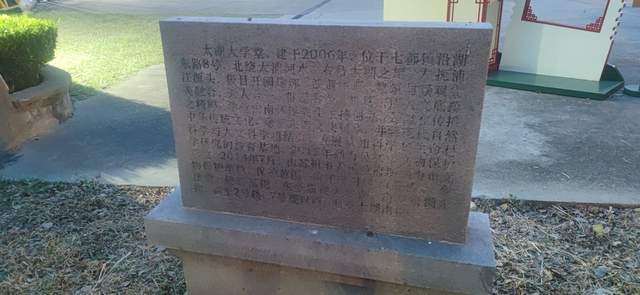
太湖大学堂是由南怀瑾先生主导创建的教育基地,2006年建于江苏省苏州市吴江区七都镇庙港,占地面积200余亩,毗邻太湖。
到的时候非常巧,刚好遇到一个工作人员出来散步。我和他有一些有趣的对话,南老师走了之后,如今只剩一个念想。对方表示:“在来到此地的人当中,我算是比较正常的了”。
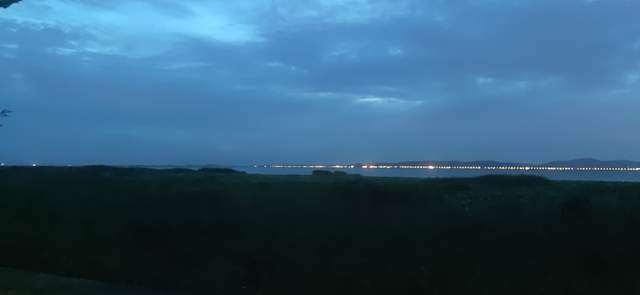
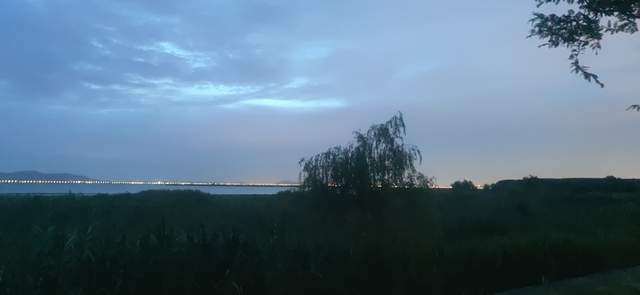
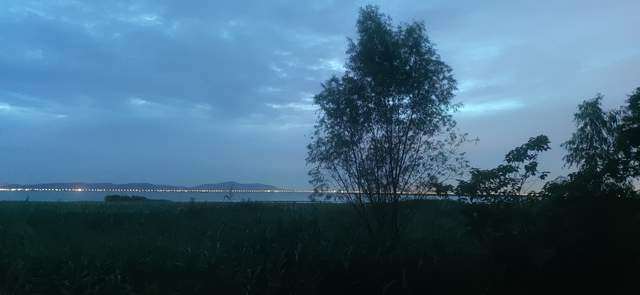
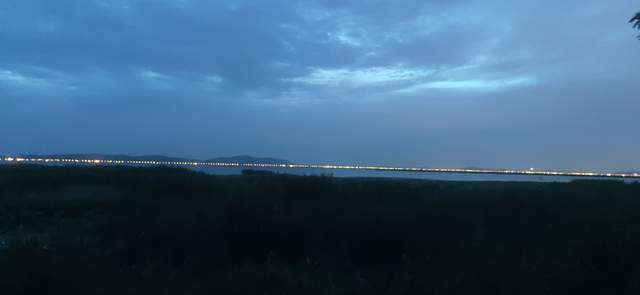
太湖的夜景还是很不错,至于太湖有多大,来不及细细感受。有两个凯旋门似的建筑,原来是太湖的水闸。
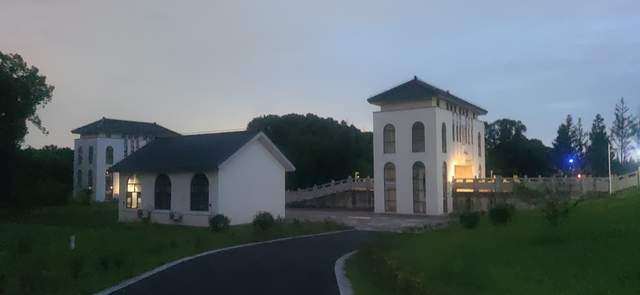
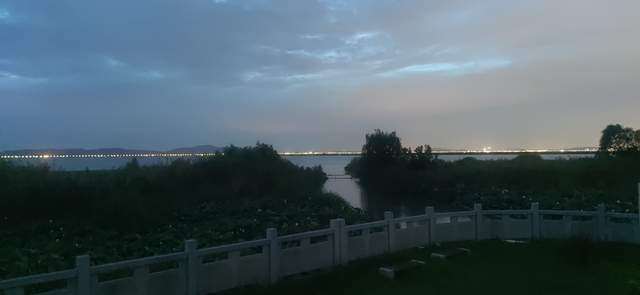
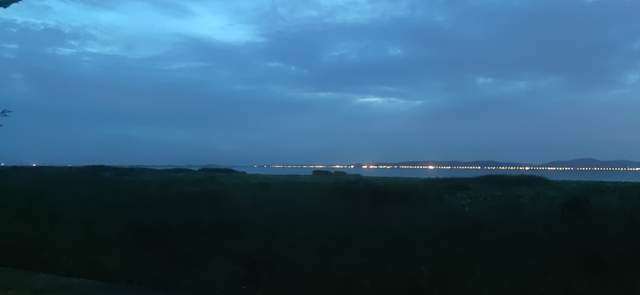
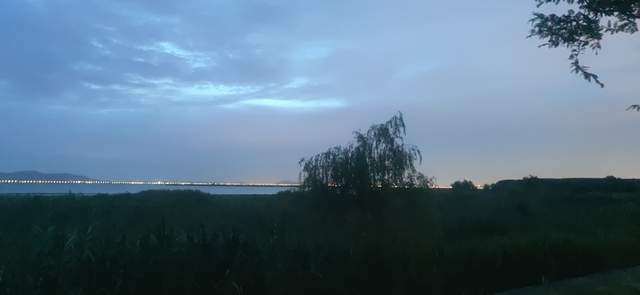
南怀瑾先生2012年仙逝,后面我才知道老先生的晚年是在这里度过的。因为这样或那样的原因,一直没有成行,等到自己也在峨眉山呆了三年之后,我才来到这里。
峨眉山大坪已不可达,当地的负责机构计划修一条步道抵达那里,也不知道什么时候能够修好。
文章的标题叫太湖大学堂游记,实际上是太湖大学堂外围游记。想说点什么,却不知道从何说起。以南先生1947年写的《自题照影》来收尾吧,“不二门中有发僧,聪明绝顶是无能。此身不上如来座,收拾河山亦要人。”(陈大衡)
AI和我翻译的英文版:
A Pilgrimage to Taihu Academy
Travel Notes from Its Periphery
I took the high-speed rail to Suzhou Station, then switched to the metro. From near the metro station, I caught the dedicated Wujiang Qidu bus line to Taihu Academy. By the time I arrived, darkness had already settled over the place.
Taihu Academy is an educational foundation established under the direction of Master Nan Huaijin, founded in 2006 in Miaogang, Qidu Town, Wujiang District, Suzhou, Jiangsu Province. It sprawls across more than 200 acres, situated right beside Lake Taihu.
A Chance Encounter
Quite by fortune, I happened to meet a staff member out for an evening walk. We had a brief but interesting exchange. That conversation has remained with me—a lingering thought. He said to me: "Among all the people who come to this place, I reckon I'm one of the more... normal ones."
The nightscape of Lake Taihu was quite beautiful. As for the vastness of the lake itself, I didn't have the chance to appreciate it fully. In the distance, I noticed two arch-like structures—they turned out to be the water gates of the lake.
What Remains
Master Nan Huaijin passed away in 2012. Only afterward did I learn that he spent his final years here. For various reasons, I kept postponing this visit. It wasn't until after I had myself spent three years on Mount Emei that I finally came here.
The DAPING of Mount Emei is no longer accessible. The local authorities plan to build a hiking path to it, though I have no idea when that will be completed.
A Meditation
This piece is titled "A Pilgrimage to Taihu Academy," but truthfully it is only an account of its periphery. There is much I want to say about this place, yet I hardly know where to begin. So I will end with these lines that Master Nan wrote in 1947—his "Self-Inscription on a Photograph":
Beyond the gate of non-duality walks a monk with hair upon his head,
Brilliance and wit, supreme though they be, amount to nothing but impotence.
This body has not ascended to the throne of the Tathagata,
Yet the ordering of heaven and earth still demands that someone rise to the task.
A Note on the Poem
This poem encapsulates Master Nan's meditation on his own place in the world. The "monk with hair" refers to one who dwells between the monastic and the secular—neither fully renounced nor fully immersed. When he says that brilliance "amounts to nothing but impotence," he is not merely being modest; he is expressing a profound truth: that all human knowledge and cleverness, however extraordinary, are but a speck before the vastness of existence.
The final lines reveal his deepest concern: though personal spiritual attainment may remain incomplete, the world still requires those with wisdom and capability to take responsibility for its governance and the welfare of its people. This is the ultimate expression of a sage's commitment to duty.
文化旅游观察者
人民号优选号主