iPhone版
  Android版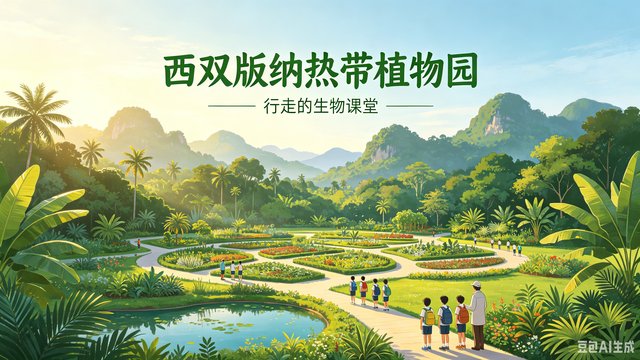
西双版纳热带植物园研学讲解词
Xishuangbanna Tropical Botanical Garden Research Study Tour Guide
课程前言 | Program Introduction
中文:
同学们好!欢迎来到中国科学院西双版纳热带植物园。我是今天的研学讲解员。这次咱们的研学之旅啊,不是单纯的旅游,而是一次"行走的生物课堂"。
在接下来的几个小时里,你们将要体验一个真实的、活的生态系统。咱们不仅要用眼睛去看,更要用脑子去思考:这些植物为什么长成这个样子?它们怎么互相合作、互相竞争?人类应该怎样和自然和谐相处?
这个植物园啊,是由植物学家蔡希陶先生于1959年创立的。到今年已经有66年的历史了。占地1125公顷,收集了14000多种活植物。可以说,这儿就是一座鲜活的"绿色教科书"。
好,现在咱们就正式开启咱们的雨林研学之旅!
English:
Hello, students! Welcome to Xishuangbanna Tropical Botanical Garden of the Chinese Academy of Sciences. I'm your research guide today. This research study isn't just sightseeing — it's a "living classroom of biology."
Over the next few hours, you'll experience a real, living ecosystem. We won't just observe with our eyes; we'll think with our minds: Why do these plants look this way? How do they cooperate and compete? How should humans coexist harmoniously with nature?
This garden was founded in 1959 by botanist Professor Cai Xitao. It has a 66-year history now, covering 1,125 hectares with over 14,000 living plant species. This is truly a living "green textbook."
Alright, let's begin our research journey!
第一站:景区概况 | Station 1: Overview of the Scenic Area
基本信息 | Basic Information
中文:
同学们,咱们先站在这个位置,俯瞰整个园区。我给你们讲讲这个植物园的基本情况。
首先啊,这个园子有多大?1125公顷。这是什么概念?差不多相当于1500个标准足球场。你们能想象吗?咱们刚才进的门口到这儿,可能才走了园区不到百分之一的区域。
其次,这儿收集了多少种植物?14000多种(含种下分类群)。这意味着什么?我问你们:中国有多少种植物?大概3万多种。那咱们这儿就收集了中国植物的将近一半!而且,咱们这儿的植物来自世界各地——有中国本土物种,有东南亚、南亚特色物种,甚至还有非洲、南美洲的热带植物。
第三,咱们园区建有39个专类园。所谓"专类园",就是按照植物的科属、用途、生长特征、生态类型等来分类打造的主题园区。比如有专门培育兰花的兰园、收集药用植物的药园、种植香料植物的专类区等等,分区清晰、体系完整。
现在,我问同学们一个问题:为什么要建设这样一座大型热带植物园?谁能回答一下?
(学生可能的回答:保存植物、科研、科普教育、生态保护等)
很好。确实是这些核心价值。但我想告诉你们更深层的意义。同学们,你们知道吗,如今地球上每天都有植物物种濒临灭绝、彻底消失。核心原因就是人类过度砍伐森林、破坏动植物原生栖息地。咱们这个植物园,一直在做一项至关重要的自然"救援"工作——把那些濒临灭绝的珍稀植物进行迁地保存、科学繁育、系统研究,让濒危物种得以存续,让后人能够认识它们、守护它们。这就是植物保护领域重要的迁地保护模式。
English:
Students, let's stand here and take in the whole garden. Let me explain the basic information of our scenic area.
First, how big is this garden? 1,125 hectares — roughly 1,500 standard football fields. Can you imagine? From the gate to here, we've probably walked less than 1% of the whole garden!
Second, how many plant species are here? Over 14,000 (including infraspecific taxa). What does that mean? China has about 30,000 native plant species, and this garden preserves nearly half of them. Besides, these plants are introduced from all over the world, including China, Southeast Asia, South Asia, Africa and South America.
Third, we have 39 specialized gardens. A "specialized garden" is categorized by plant families, uses, growth characteristics and ecological types. We have independent zones for orchids, medicinal plants, spice plants and so on.
Now, I have a question for you all: Why do we build such a large tropical botanical garden? Anyone want to answer?
(Students might say: preserve plants, scientific research, popular science education, ecological protection, etc.)
Great answers. Those are correct. But let me tell you the deeper significance. Did you know that plant species are going extinct on Earth every day due to deforestation and habitat destruction? This garden carries out vital "rescue work" — protecting endangered plants through ex situ conservation, scientific breeding and research, ensuring the survival of rare species for future generations. This is the core value of ex situ conservation.
生态数据与思考 | Ecological Data & Reflection
中文:
同学们,我给你们展示一组真实的园区生态数据,相信能让你们更深刻地理解这座植物园的核心价值。
园区长期植物资源普查数据显示:在咱们保存的14000多种植物中,包含20余种国家一级重点保护野生植物、100余种国家二级重点保护野生植物。也就是说,这里守护着大量中国珍稀濒危植物的"野外幸存者",是热带植物重要的避难所。
现在我想问你们一个深层的思考题:如果这些珍稀植物彻底灭绝,会带来哪些连锁后果?大家可以认真思考、大胆发言。
(可能的讨论:生态链断裂、失去食物来源、丧失药用与科研资源、破坏生态平衡等)
同学们,你们的想法都特别全面、深刻。我来补充关键一点:很多植物并非独立存在,它们和特定昆虫、鸟类、小型动物形成共生关系。一旦某种特色植物灭绝,依赖它生存的生物也会随之失去食物、栖息地与生存依托,进而逐步消亡。整个生态系统就像层层搭建的积木,一个物种消亡,就会引发连锁反应,破坏整体生态稳定。所以,保护一株珍稀植物,本质上是守护整条生态链、整个生态系统。
English:
Students, let me share authentic ecological data to help you deeply understand the garden's core value.
According to long-term plant resource surveys, among the 14,000+ plants preserved here, more than 20 are Class I nationally key protected wild plants and over 100 are Class II nationally key protected wild plants. This garden serves as a crucial refuge for rare and endangered tropical plant species in China.
Now I have an in-depth question for you:What chain consequences will be caused if these rare plants go extinct? Think carefully and share your ideas.
(Possible answers: food chain disruption, loss of food sources, medicinal and scientific research resources, ecological imbalance, etc.)
Excellent thinking. Let me add a key point: Most plants coexist symbiotically with specific insects, birds and small animals. The extinction of a single plant species will deprive dependent creatures of food and habitats, leading to their decline. The entire ecosystem will suffer a domino effect. Therefore, protecting one plant species means protecting the whole food chain and ecological system.
第二站:傣族文化 | Station 2: Dai Ethnic Culture
中文:
同学们,现在咱们进入一个极具地域特色的区域——傣族文化展示区。这里不止是植物的展示平台,更是自然与民族文化交融的研学课堂。
我首先想问你们:谁能告诉我,西双版纳的主体世居民族是什么?对,就是傣族。傣族人在这片雨林沃土上繁衍生息已有千年之久。大家不妨思考一下:在没有现代科技、没有专业生物知识的古代,傣族人是如何分辨植物、利用植物的?他们怎么区分可食用植物与有毒植物,怎么发掘药用植物的价值?
答案就是:千年代代相传的生活实践与经验积累。这种根植于自然、贴合地域的生存智慧,我们称之为"民族生态知识"或"传统生态智慧",它和现代科学体系相辅相成,是人类宝贵的知识财富。
傣族的生态观 | Dai Ecological Philosophy
中文:
我想给你们分享一句傣族流传千年、极具智慧的生态箴言,在民族植物园内就能看到:
"没有森林,就没有水;没有水,就没有农田;没有农田,就没有粮食;没有粮食,人就不能活。"
同学们,这句话语言质朴,却道出了最深刻的生态真理——人类的生存与发展,完全依附于自然生态系统,人与自然密不可分。
我们一起来拆解这条完整的生态逻辑链:
森林 → 水 :森林具备强大的水源涵养功能。密布的根系锁住土壤水分,植被通过蒸腾作用释放水汽,汇聚成云雾、形成降雨。没有森林的庇护,降水锐减、水土流失,土地终将沦为荒漠。
水 → 农田 :充足的水源是农耕的基础,只有稳定的水源,才能灌溉农田、培育作物。没有水源滋养,农耕生产便无从谈起。
农田 → 粮食 :肥沃湿润的农田,能够持续产出粮食作物,为人类生存提供物质保障。
粮食 → 人的生存 :充足的粮食,是人类安居乐业、繁衍生息的根本前提。
由此可见,整条生命链条的核心源头,就是森林。雨林是西双版纳人民赖以生存的隐形"生命支持系统"。
现在我问同学们:在你们的日常生活中,有没有切身感受到这条生态逻辑链的作用?比如我们饮用的自来水、餐桌上的粮食,根源都来自自然生态的馈赠。大家可以结合生活实际想一想。
English:
Students, now we enter the distinctive Dai Culture Exhibition Zone. This place is not only a display of plants, but also an integration of nature and ethnic culture.
I want to ask you: Who is the main indigenous ethnic group in Xishuangbanna? Correct, the Dai people. They have lived and thrived here for thousands of years. Think about it — without modern technology and professional biological knowledge, how did ancient Dai people distinguish edible, poisonous and medicinal plants?
The answer lies in accumulated life experience passed down from generation to generation. This nature-oriented wisdom is called "ethnic ecological knowledge" or "traditional ecological wisdom", which complements modern science and constitutes precious human wealth.
Dai Ecological Philosophy:
I want to share a profound ecological maxim passed down by the Dai people, which is displayed in the Ethnobotanical Garden:
"No forest, no water; no water, no farmland; no farmland, no grain; no grain, no human survival."
Simple as it sounds, this sentence reveals a core ecological truth: Human survival and development are completely dependent on natural ecosystems, and humans are inseparable from nature.
Let us analyze this complete ecological logic chain:
Forest → Water: Forests conserve water resources. Dense root systems lock soil moisture, and plant transpiration forms rainfall. Without forests, rainfall decreases, soil erodes, and lands turn into deserts.
Water → Farmland: Sufficient water is the foundation of farming. Stable water sources irrigate farmland and support crop growth.
Farmland → Grain: Moist and fertile farmland continuously produces grain crops for human survival.
Grain → Human Survival: Adequate grain is the fundamental guarantee for human settlement and reproduction.
Thus, the core source of the entire life chain is the forest. Tropical rainforests are the invisible "life support system" for people in Xishuangbanna.
Now I ask: In your daily life, can you feel the power of this ecological logic chain? The tap water we drink and the grain we eat all come from the gifts of nature. You can combine real life to think and share.
傣族民族植物文化 | Dai Ethnobotanical Culture
中文:
同学们,西双版纳傣族世代与雨林共生,形成了密不可分的植物文化体系,植物贯穿了傣族人的衣食住行、信仰与艺术。我给大家举几个典型例子:
药用植物:傣族拥有独立完整的传统医学体系——傣医。傣医流传着八大经典方剂,每一个方剂都由数十种本土热带植物配伍而成。这些古方历经数百年甚至上千年的实践检验,疗效显著。这充分体现了傣族人通过长期观察、试验总结出的植物药用智慧,是中华传统医药的重要组成部分。
食用植物:大家熟知的傣族特色美食竹筒饭,就是民族植物利用的经典范例。当地人选用专属的糯米香竹,装入稻米烤制,让米饭浸润天然竹香,风味独特。这说明傣族人不仅懂得利用植物的果实、茎叶充饥,更善于依托植物的天然特性,优化饮食、丰富生活。
宗教信仰植物:傣族全民信仰上座部佛教,当地流传"五树六花"的传统规制,指寺庙中必种的五种圣树、六种圣花。其中,菩提树是释迦牟尼悟道成佛的圣树,在傣族文化中象征清净、智慧。傣族人将这些植物视为神圣,悉心养护、用于供奉,彰显对自然的敬畏与尊崇。
文学艺术植物:傣族特色艺术形式"赞哈"(民间说唱艺术)中,植物是最核心的创作意象。民间歌手常用繁花比喻爱情的美好绚烂,用常青古树比喻情谊的坚韧长久。咱们民族植物园专门栽种了诸多傣族民歌、民间故事中提及的植物,见证了植物在傣族文化中,早已超越物质资源属性,成为精神与艺术的载体。
现在我问大家一个思考题:为什么傣族人能与植物建立如此深厚、立体的共生关系?
(学生可能的回答:长期与自然共处、深入了解植物特性、敬畏自然、顺应自然规律等)
非常好!我再补充核心一点:傣族人千年不变的生态认知——人类是自然的一部分,而非自然的主宰。这种朴素又先进的生态理念,正是如今全球倡导的可持续发展的核心基础,也是人与自然和谐共生的最佳诠释。
English:
The Dai people of Xishuangbanna have lived in harmony with tropical rainforests for thousands of years, forming a complete plant culture system that integrates clothing, food, housing, beliefs and arts. Here are typical examples:
Medicinal Plants: The Dai ethnic group has an independent and complete traditional medical system. Eight classic Dai medicinal formulas are composed of dozens of local tropical plants. Tested by thousands of years of practice, these formulas have remarkable curative effects, reflecting the Dai people's profound wisdom in utilizing medicinal plants and serving as an important part of traditional Chinese medicine.
Edible Plants: The famous Dai specialty bamboo-tube rice is a classic example of ethnic plant utilization. Local people use special sticky rice bamboo to hold rice and roast it, making the rice fragrant and delicious. This shows that the Dai people not only use plant parts for food, but also make full use of plant characteristics to enrich their diet.
Religious Plants: Most Dai people believe in Theravada Buddhism. There is a traditional rule of "Five Trees and Six Flowers" that must be planted in temples. The bodhi tree, where Sakyamuni attained enlightenment, symbolizes purity and wisdom. The Dai people regard these plants as sacred and protect them carefully, showing reverence for nature.
Literary & Artistic Plants: In the traditional Dai folk singing art "Zanha", plants are the core creative images. Folk singers use flowers to symbolize beautiful love and evergreen trees to represent lasting affection. Our ethnobotanical garden grows many plants mentioned in Dai folk songs and stories, proving that plants are not only material resources but also spiritual and artistic carriers in Dai culture.
Now I ask: Why can the Dai people establish such a deep symbiotic relationship with plants?
(Possible answers: long-term coexistence with nature, in-depth understanding of plant characteristics, reverence for nature, conforming to natural laws, etc.)
Excellent! Here is the core reason: The Dai people have adhered to an ecological concept for thousands of years — humans are part of nature, not its masters. This simple and advanced idea is the core foundation of global sustainable development and the best interpretation of harmonious coexistence between humans and nature.
第三站:国树国花园 | Station 3: National Tree and National Flower Garden
中文:
同学们,现在咱们来到国树国花园。这座园区占地20亩,集中展示了80个国家的58种国树、国花,汇聚了世界各地极具代表性的标志性植物。
这座园子,是一座鲜活的"世界生物与文化文明窗口"。每一个国家选定的国树、国花,都不是随意确定的,背后承载着一个国家、一个民族的历史底蕴、精神品格与文化信仰。
认识国树国花的意义 | Understanding National Symbols
中文:
我问同学们:你们知道中国的国树和国花分别是什么吗?
(学生回答:国花是牡丹,国树暂无官方正式认定)
没错。牡丹雍容华贵、高洁典雅,承载着中国人对美好、从容、高洁品格的追求,自古被文人誉为"花之富贵者",是中华文化最具代表性的花卉符号。这也印证了,国树国花的遴选,本质是一个民族文化价值观的具象体现。
接下来,我给大家介绍几种极具特色的他国国花,感受不同国家的植物文化:
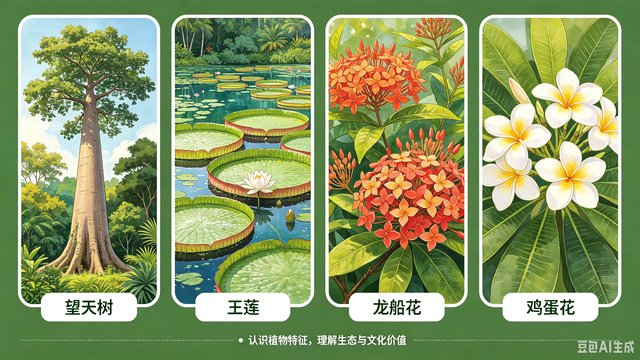
缅甸国花——龙船花
龙船花花色艳丽、花团簇生、热烈盛放。缅甸素有泼水节赛龙船的传统,节日氛围热闹盛大。龙船花的鲜红色彩、繁茂花簇,完美契合节日的热烈氛围,同时贴合当地龙文化内涵,因此被选定为国花,象征吉祥、热烈与生机。
老挝国花——鸡蛋花
鸡蛋花又称缅栀子、素馨花,花瓣白黄相间、素雅清香,姿态干净优雅。老挝信奉上座部佛教,鸡蛋花常被用于寺庙供奉,象征纯净、平和、圣洁,是当地人民美好品性的象征。
马达加斯加国花——凤凰木
凤凰木花色橙红、繁花满枝,盛放时宛如凤凰展翅、绚烂夺目。作为非洲岛国,马达加斯加人民以凤凰木为国花,寄托了对自由、热情、活力与美好梦想的向往。
现在留给大家一个趣味思考题:
如果让你们为自己的班级或学校挑选一种植物作为专属"班花""校花",你们会选择什么?为什么?
(学生思考、自由讨论)
这个问题没有标准答案、没有对错之分,最珍贵的是大家的思考过程。当你们结合植物的生长特性、品格气质,关联班级的班风、校园的精神内核时,就是一次绝佳的文化象征思考与集体认同构建的过程。
English:
Students, welcome to the National Tree and National Flower Garden. Covering 20 mu, this garden displays 58 national plant symbols from 80 countries, gathering representative plants from all over the world.
This garden is a vivid window to global biological and cultural civilization. Every country's national tree and flower are carefully selected, carrying the historical heritage, spiritual character and cultural beliefs of the nation.
I ask you: Do you know China's national flower and tree?
(Students answer: peony is the national flower; no officially designated national tree)
Correct. The peony is elegant and noble, representing the Chinese pursuit of beauty, calmness and purity. It has been praised as "the most noble flower" by ancient literati, serving as the most representative floral symbol of Chinese culture. This proves that the selection of national plant symbols is the concrete embodiment of a nation's cultural values.
Let me introduce several distinctive national flowers from other countries:
Myanmar's National Flower — Ixora
Ixora has bright red clustered flowers. Myanmar has a traditional dragon boat race during the Water Festival. Its gorgeous blooms match the festive atmosphere and local dragon culture, symbolizing auspiciousness, enthusiasm and vitality.
Laos's National Flower — Plumeria
Plumeria, also known as frangipani, has elegant white and yellow petals with delicate fragrance. Widely used in Buddhist temple offerings in Laos, it symbolizes purity, peace and holiness.
Madagascar's National Flower — Delonix regia
Delonix regia has gorgeous orange-red flowers that look like spreading phoenix wings. As an African island nation, Madagascar takes it as the national flower, symbolizing passion, vitality and beautiful dreams.
Now here is an interesting thinking question for you:
If you could choose a plant as the symbol of your class or school, what would it be? Why?
(Students think and discuss freely)
There are no standard answers to this question. The most precious part is your thinking process. Connecting plant characteristics with class and school spirit is a wonderful process of symbolic thinking and collective identity building.
生物多样性与文化多样性 | Biodiversity and Cultural Diversity
中文:
同学们,站在这座汇聚全球植物的花园里,我们可以深入思考一个核心问题:
为什么世界各国、各民族的国花选择,会如此丰富多彩、各不相同?
答案其实很直观:源于地球极致丰富的生物多样性。不同地域的气候、土壤、生态环境孕育了独特的本土植物,而不同民族的历史、信仰、生活习俗,又赋予了植物专属的文化内涵,最终形成了差异化的国家植物符号。
这背后蕴含着两大核心概念:
1. 生物多样性:地球孕育了数万种形态、特性、功能各不相同的植物,构成了缤纷的自然世界。
2.文化多样性:不同地域、不同民族,对自然万物的理解、诠释与情感寄托各不相同,造就了多元的人文文化。
接下来我问大家:生物多样性和文化多样性,哪一个更容易被破坏、更脆弱?
(学生可能的回答:生物多样性,易受砍伐、污染、开发破坏)
大家的回答很准确。直观来看,生物多样性看得见、摸得着,更容易被人类活动破坏。但大家要记住一个更深刻的逻辑:生物多样性的消亡,必然会导致文化多样性的流失。
为什么?因为植物是民族文化的重要载体与依托。如果缅甸的龙船花彻底消失,当地泼水节、龙文化的核心植物符号就会缺失;如果少数民族的传统药用植物、祭祀植物灭绝,与之配套的民族医术、宗教习俗、民俗文化也会慢慢失传、消亡。
所以,保护生物多样性,从来不止是保护植物、守护生态,更是在守护人类千年积淀的多元文化,守护人类的精神财富。
English:
Standing in this garden gathering global plants, let us think deeply about a core question:
Why are the national flower choices of countries and nations so diverse?
The answer lies in the rich global biodiversity. Different climates, soils and ecological environments breed unique local plants, and different national histories, beliefs and customs endow plants with exclusive cultural connotations, forming diverse national plant symbols.
This reflects two core concepts:
1. Biodiversity: The earth breeds tens of thousands of plants with different forms, characteristics and functions, forming a colorful natural world.
2. Cultural Diversity: Different regions and nations have different understandings and interpretations of nature, creating diverse human cultures.
Now I ask: Which is more fragile and easier to destroy, biodiversity or cultural diversity?
(Students might answer: biodiversity, easily damaged by deforestation, pollution and development)
Your answers are accurate. Intuitively, biodiversity is more vulnerable to human activities. But here is a deeper truth: The extinction of biodiversity will inevitably lead to the loss of cultural diversity.
Why? Because plants are important carriers of ethnic culture. The disappearance of characteristic plants will deprive related folk customs, medical traditions and religious cultures of their material basis, leading to the loss of diverse human civilization.
Therefore, protecting biodiversity is not only about protecting nature and ecology, but also about safeguarding the diverse cultures and spiritual wealth of humanity.
第四站:名人名树园 | Station 4: Famous Trees Planted by Celebrities Garden
中文:
同学们,现在咱们来到名人名树园。这座园区最特别的地方,不在于珍稀树种的数量,而在于这里的每一棵树,都承载着科研初心、国际友谊与生态守护的特殊意义,是自带故事与温度的树木。
园区占地54亩,收集培育340多种热带珍稀植物,汇聚了植物园创始人、国内外科研学者、国际友好人士亲手栽种的特色树木,每一株树木都是生态保护与自然探索的见证者。
特色名树与深层意义 | Featured Famous Trees & Profound Significance
中文:
我们重点认识几棵最具代表性、最有故事的树木:
蔡希陶先生手植龙血树
龙血树是极具价值的珍稀热带药用植物,也是西双版纳特色标志性物种。作为植物园的创始人,蔡希陶先生扎根版纳雨林,克服艰苦条件,开荒拓土、潜心科研,亲手栽种龙血树,开展资源保护与开发研究。这棵树见证了老一辈植物学家扎根边疆、深耕科研、守护雨林、造福民生的初心与担当,是植物园科研精神的象征。
英国菲利普亲王手植望天树
望天树是热带雨林的标志性巨木,最高可生长至80米,挺拔高耸、直冲云霄,是雨林上层林冠的核心树种,被誉为"雨林巨人"。英国爱丁堡菲利普亲王到访植物园时,亲手栽种望天树,这株树木不仅是中外自然保护交流的见证,更象征着全球携手、共同守护热带雨林生态的共识与愿景。
科研前辈手植铁力木
铁力木是国家一级重点保护野生植物,木质坚硬致密、经久耐用,是珍稀濒危用材树种。园区科研前辈亲手引种培育铁力木,专注于珍稀树种的保育、繁育与研究,助力濒危植物的迁地保护,彰显了科研工作者守护珍稀物种、修复生态资源的坚守。
English:
Students, now we are at the Famous Trees Garden. The most special feature of this garden is that every tree here carries unique meanings of scientific research Original aspiration, international friendship and ecological protection, with touching stories and profound value.
Covering 54 mu and cultivating more than 340 tropical plant species, this garden collects trees planted by the garden's founder, domestic and foreign scientific researchers and international friendly figures. Each tree witnesses ecological protection and natural exploration.
Dragon's Blood Tree Planted by Mr. Cai Xitao
The dragon's blood tree is a rare tropical medicinal plant and a symbolic species of Xishuangbanna. As the founder of the botanical garden, Mr. Cai Xitao rooted in the rainforest, overcame harsh conditions, devoted himself to scientific research, and planted dragon's blood trees for resource protection and research. This tree witnesses the dedication of older-generation botanists to scientific research and rainforest protection, symbolizing the garden's research spirit.
Parashorea Chinensis Planted by Prince Philip
Parashorea chinensis, known as the "rainforest giant", is a landmark tree of tropical rainforests, growing up to 80 meters high. Planted during Prince Philip's visit, this tree witnesses Sino-foreign ecological exchanges and symbolizes global consensus on joint rainforest protection.
Mesua Ferrea Planted by Senior Researchers
Mesua ferrea is a national first-class protected wild plant and a rare endangered timber species. Senior researchers in the garden introduced and cultivated it, focusing on the conservation and breeding of rare species, demonstrating the persistence of scientific researchers in protecting endangered plant resources.
种树育人的深层内涵 | Profound Connotation of Tree Planting and Environmental Education
中文:
同学们,我想问大家一个问题:为什么众多科研学者、国际友人都会在这里亲手植树?这仅仅是简单的纪念活动吗?
其实,每一次亲手植树,都藏着两层深刻的意义:
第一,是一份守护自然的承诺。亲手栽种一株树苗,就是许下一份守护生态、善待自然、保护生物多样性的郑重承诺。树木岁岁生长、生生不息,成为这份初心与坚守的永恒见证。
第二,是一场言传身教的示范。科研工作者、国际友人躬身植树,是向全社会传递理念:生态保护无关身份、不分国界,是每一个人的责任。用实际行动带动更多人关注雨林、守护植物、践行环保。
现在我想问问大家:你们有没有亲手种过树?如果有机会,你想栽种什么植物?为什么?
(学生自由讨论发言)
非常棒的想法!其实,伟大的环保从来都不是少数人的专属事业。所谓"榜样",从来不是源于身份与名气,而是源于坚持与行动。每一个主动种树、主动护绿、主动守护自然的人,都是生态保护的践行者与传播者。
这座名人名树园想要告诉我们:无论平凡与否,每个人都可以用点滴行动守护自然、回馈大地,为生态保护贡献自己的力量。
English:
I have a question for you: Why do so many researchers and international friends plant trees here? Is it just a simple commemorative activity?
In fact, every tree-planting activity has two profound meanings:
First, a promise to protect nature. Planting a sapling means making a solemn commitment to protect the ecosystem and biodiversity. The growing tree witnesses this persistent original intention forever.
Second, a practical demonstration. Researchers and international friends planting trees in person conveys a core idea: ecological protection has no boundaries and is the responsibility of everyone. Their practical actions inspire more people to care for rainforests and practice environmental protection.
I ask: Have you ever planted a tree? If you have a chance, what plant would you like to plant? Why?
(Students discuss freely)
Excellent ideas! Environmental protection is never a career for a few people. Role models are defined by persistence and action, not status and fame. Everyone who takes the initiative to protect greenery and nature is a practitioner and disseminator of ecological protection.
This garden conveys the core spirit: Everyone can protect nature and contribute to ecological protection through small practical actions, regardless of identity.
️ 第五站:绿石林景区 | Station 5: Green Stone Forest Scenic Area
中文:
同学们,现在咱们进入壮阔独特的绿石林景区。景区总面积达225公顷,拥有版纳独有的奇特景观——上有茂密雨林,下有喀斯特石林,山水、石林、雨林相融共生,极具科考与观赏价值。
绿石林的地质与生态特征 | Geology and Ecology
中文:
谁能结合所学知识,解释一下这里"石林伴雨林"的独特景观成因?
(学生可能的回答:石灰岩地貌、喀斯特地貌、流水侵蚀作用等)
非常棒!大家的地理知识掌握得很扎实。这里是典型的热带喀斯特石灰岩山地地貌,我给大家深入拆解它的形成过程:
亿万年前,这片区域还是一片汪洋大海,海底堆积了大量海洋微生物的贝壳、骨骼残骸,日积月累压实、胶结,形成了厚厚的石灰岩地层。后续经过喜马拉雅造山运动的抬升,海底石灰岩逐渐隆起、露出地表。
千万年来,当地丰富的降水与地下水不断溶蚀、冲刷石灰岩,经过漫长的地质作用,雕琢出形态各异的奇石峰林,有的形似山峦、有的形似鸟兽、有的形似人物,造就了我们眼前的象形石林景观。
而这里最震撼、最值得我们学习的亮点是:在这片土壤贫瘠、岩石遍布的恶劣山地环境中,依然顽强生长着1000多种高等植物!
没有丰厚的土层、养分匮乏,植物却从未停止生长。它们的根系顽强扎根石缝、穿透岩层,精准汲取岩石缝隙中的水分与微量养分,在绝境中扎根、生长、繁茂。这就是大自然教会我们的第一课:生命坚韧不息,生命自有智慧。
现在我问大家一个研学思考题:植物园特意保护、培育这片石山林地的植物,核心目的是什么?
(学生思考讨论)
大家的思考都很全面,核心目的主要有三点:
第一,守护濒危物种。这片石山林地孕育的1000多种植物中,包含大量珍稀、濒危、特有物种。园区通过原生保护、人工繁育相结合的方式,守护这些绝境生灵,避免物种灭绝。
第二,研究植物适应机制。这些植物在贫瘠、干旱、石质化的恶劣环境中存活繁衍,进化出了独特的抗旱、耐贫瘠、抗胁迫的生存机制。研究这些特殊的生命智慧,能帮助我们探索植物进化规律、解锁生命生存密码。
第三,诠释极致生物多样性。这片区域直观证明:生命从不挑剔环境,哪怕是看似贫瘠、不适宜生存的岩石山地,也能孕育丰富的生命群落。这为全球极端环境生态保护、生物多样性修复提供了重要的参考范本。
English:
Students, now we arrive at the magnificent Green Stone Forest Scenic Area. Covering 225 hectares, it features a unique landscape exclusive to Xishuangbanna — dense tropical rainforests grow above karst stone forests, integrating mountains, stones and forests with high scientific research and ornamental value.
Who can explain the formation of this unique "stone forest and rainforest" landscape with your existing knowledge?
(Students might mention limestone landforms, karst topography, water erosion, etc.)
Excellent! This is a typical tropical karst limestone landform. Let me introduce its formation process:
Hundreds of millions of years ago, this area was an ocean. A large number of marine microbial shells and bones accumulated, compacted and cemented into thick limestone strata. Later, the Himalayan orogeny uplifted the seabed limestone to the surface.
Over millions of years, abundant rainfall and groundwater continuously corroded and washed the limestone, carving out diverse and fantastic stone peaks and forming the current stone forest landscape.
The most shocking highlight here is that more than 1,000 higher plant species grow tenaciously on this barren, rocky mountain with poor soil!
Without thick soil and sufficient nutrients, plant roots take root in stone crevices, absorbing water and trace nutrients. This teaches us a precious lesson: Life is tenacious and intelligent.
Now I have a research question: What is the core purpose of protecting and cultivating plants in this stony forest?
(Students think and discuss)
There are three core purposes:
First, protect endangered species. The 1,000+ plants here include many rare, endangered and endemic species. The garden protects these species through in-situ and ex-situ conservation to avoid extinction.
Second, study plant adaptation mechanisms. Plants surviving in harsh environments have evolved unique drought-resistant and stress-resistant mechanisms. Studying these mechanisms helps us explore plant evolution and life survival rules.
Third, interpret extreme biodiversity. This area directly proves that life can thrive even in barren environments, providing an important model for global ecological protection and biodiversity restoration.
珍稀濒危动物保护 | Rare and Endangered Animal Protection
中文:
同学们,绿石林景区不仅是植物的秘境,更是众多珍稀濒危野生动物的天然栖息地。优质完整的雨林生态、丰富的植物资源,为野生动物提供了充足的食物与安全的栖息环境。
这里常年栖息着双角犀鸟、灰叶猴、蜂猴、长臂猿等多种国家级保护野生动物,这些物种在全球范围内数量稀少、极其珍贵,对生态环境要求极高。也正因这片区域植被繁茂、生态稳定,才能成为它们的专属家园。
接下来我们思考一个生态学核心问题:这些野生动物依靠什么生存?它们和雨林植物之间是什么关系?
(学生可能的回答:以植物果实、花叶、昆虫为食,依赖植物栖息繁衍,相互依存)
回答得非常准确!我们可以清晰梳理出这里的生态食物链:
雨林树木 → 果实、花叶、嫩芽 → 植食性动物、昆虫 → 肉食性动物
这条食物链环环相扣、缺一不可。一旦某一种植物被破坏、某一个环节断裂,对应的动物就会失去食物来源与栖息地,数量锐减甚至消亡,进而引发整条生态链崩塌、破坏区域生态平衡。
所以大家要明白:保护雨林植物、守护这片石林绿地,本质上就是庇护野生动物、维系生态平衡、守护完整的自然生态系统。
English:
The Green Stone Forest is not only a paradise for plants, but also a natural habitat for many rare and endangered wild animals. The complete rainforest ecology and abundant plant resources provide sufficient food and safe habitats for wild animals.
Many national protected wild animals live here all year round, including great hornbills, grey langurs, slow lorises and gibbons. These rare species have extremely high requirements for ecological environments, and they choose this place for its prosperous vegetation and stable ecology.
Now let's think about a core ecological question: What do these wild animals rely on for survival? What is the relationship between them and rainforest plants?
(Possible answers: feed on plant fruits, leaves and insects, rely on plants for habitation and reproduction, interdependence)
Absolutely correct! We can sort out the local ecological food chain clearly:
Rainforest Trees → Fruits, Flowers, Buds → Herbivores and Insects → Carnivores
Every link of the food chain is indispensable. The destruction of any plant species will cut off the food source of corresponding animals, leading to population decline and even extinction, and further collapse the entire ecological chain and balance.
Therefore, protecting rainforest plants and green land is essentially protecting wild animals, maintaining ecological balance and guarding the complete natural ecosystem.
️ 第六站:民族植物园(热带雨林民族文化博物馆)| Station 6: Ethnobotanical Garden
中文:
同学们,现在我们抵达本次研学的最后一站——民族植物园。这座园区占地80亩,面积不大,但科学价值、文化价值、研学价值极其深厚,是版纳植物园最具特色的人文生态核心展区。
园区以"热带雨林民族森林博物馆"为核心设计理念,精准划分四大主题区域:民族药用植物区、食用植物区、宗教信仰植物区、文学艺术植物区,全方位展示西南少数民族与植物共生千年的智慧。
接下来,我将从人类知识体系多样性的独特视角,带大家深度解读这座宝藏园区。
民族知识体系 vs 现代科学体系 | Ethnic Knowledge System vs Modern Science
中文:
同学们,我先问大家一个本源问题:"知识"到底是什么?
大家第一反应,大概率是我们课堂上学的物理、化学、生物、历史等课本知识。但实际上,人类的知识体系远比课本更广阔、更丰富。
纵观人类文明发展,存在两大相辅相成、同等珍贵的核心知识体系:
第一种:西方现代科学体系 —— 也就是我们校园学习的主流知识体系,以实验、观察、逻辑论证、数据推理为核心,擅长探究事物底层原理,解答为什么的问题。
第二种:民族传统知识体系 —— 以傣族、哈尼族、基诺族等西南少数民族为代表,历经数千年野外实践、生活试验、代代传承积累而来。无需实验室与精密仪器,依托自然观察、实践总结、经验传承,解答是什么、怎么用的问题。
现在留给大家一个深度思考题:这两种知识体系,哪一种更真实、更有价值?
(学生可能的回答:各有价值、相辅相成、缺一不可、相互补充)
非常棒!大家已经拥有了辩证、多元的思维方式。我们不能用单一标准评判不同的知识体系,两种知识没有优劣之分,只有分工不同、互补共赢。
我给大家举一个最直观的例子:园区内的药用植物萝芙木。数十年前,现代科研通过化学实验,从萝芙木中提取出降压有效成分,研发出降压药物,解释了它降压的科学原理。但早在数百年前,傣族先民就已经在生活中运用萝芙木调理高血压、缓解不适,掌握了它的实用功效与使用方法。
这就是两大知识体系的完美互补:现代科学拆解原理、溯源本质,民族知识沉淀经验、落地实用。如今的科研创新、生态利用、医药研发,都需要二者融合赋能,才能最大化挖掘自然物种的价值。
English:
Now let's think about an original question: What exactly is "knowledge"?
Most of you may think of textbook knowledge such as physics, chemistry, biology and history. But in fact, human knowledge systems are far broader and richer.
Throughout human civilization, there are two complementary and equally precious core knowledge systems:
First: Western Modern Science System — the mainstream knowledge we learn in school, based on experiments, observation, logical demonstration and data reasoning, good at exploring underlying principles and answering "why".
Second: Ethnic Traditional Knowledge System — accumulated by ethnic groups like Dai, Hani and Jino through thousands of years of field practice and inheritance. It relies on natural observation and practical experience to answer "what it is and how to use it".
Here is an in-depth question: Which knowledge system is more real and valuable?
(Students might answer: both are valuable, complementary and indispensable)
Excellent! You have formed dialectical and diverse thinking. Different knowledge systems cannot be judged by a single standard. There is no superiority or inferiority between them, only different divisions of labor and mutual benefit.
Here is a typical example: The medicinal plant Rauvolfia yunnanensis in the garden. Decades ago, modern scientific research extracted antihypertensive ingredients from it and explained its scientific principle. But hundreds of years ago, Dai ancestors had already used it to relieve hypertension and mastered its practical efficacy.
This is the perfect complement of the two systems: modern science explores principles, while traditional knowledge summarizes practical experience. The integration of the two can maximize the value of natural species.
民族植物园的四大区域详解 | Four Zones of the Ethnobotanical Garden
中文:
接下来,我们逐一深度游览四大主题展区,解锁少数民族千年植物智慧。
民族药用植物区 | Ethnic Medicinal Plants Zone
中文:
这片区域集中展示傣族、哈尼族、基诺族三大西南少数民族的传统医药体系,是民族医药文化的鲜活博物馆。
其中傣医体系最具特色,虽与中医理念互通,但拥有独立完整的核心理论——四界平衡说。傣医认为,人体由地、水、火、风四大元素构成,人体生病、产生不适,本质是四大元素失衡紊乱。而傣医的治疗核心,就是利用各类药用植物的特性,调理身体、平衡四界,恢复人体健康状态。
展区完整陈列傣医八大经典古方,每一个方剂均由数十种本土热带植物科学配伍而成,历经数百年临床实践验证,疗效稳定、实用性极强,是中华传统医药的宝贵财富。
现在留给大家一个创意思考题:如果让你搭配几种天然植物,制作一个缓解感冒不适的简易方剂,你会选择哪些植物?为什么?
(学生自由思考、讨论)
这道题没有标准答案,重点是思考逻辑。通过这个思考,大家就能理解:民族古方绝非随意搭配,而是先民历经千年试验、调整、优化、传承的智慧结晶,每一味配伍都贴合自然规律、贴合人体机理。
English:
This zone displays the traditional medical systems of Dai, Hani and Jino ethnic groups, serving as a vivid museum of ethnic medical culture.
Dai medicine has an independent and complete core theory — Four Elements Balance Theory. It believes that the human body is composed of four elements: earth, water, fire and wind. Illness is essentially the imbalance of the four elements. The core of Dai medical treatment is to regulate the body and restore balance through medicinal plants.
The zone displays eight classic ancient Dai medicinal formulas. Each formula is scientifically compatible with dozens of local tropical plants, verified by hundreds of years of clinical practice, and is a precious treasure of traditional Chinese medicine.
Creative question: If you make a simple plant formula to relieve cold discomfort, which plants will you choose? Why?
(Students think and discuss freely)
There are no standard answers. The key is your thinking logic. You can understand that ancient ethnic formulas are not random collocations, but wisdom crystallized through thousands of years of experimentation, adjustment and inheritance.
食用植物区 | Edible Plants Zone
中文:
本展区展示西南少数民族因地制宜、高效利用植物食材的千年智慧,颠覆我们对"可食用植物"的固有认知。
大家平时吃的蔬菜、水果,大多是人工选育的常规食材,但在物资匮乏、农耕落后的古代,少数民族先民充分发掘自然馈赠,学会利用植物的花、叶、根、茎、果实全株资源,实现植物价值最大化。
不同植物部位拥有专属营养:花朵富含蛋白质与矿物质,嫩叶富含维生素与膳食纤维,根茎富含淀粉与微量元素。先民虽没有现代营养学概念,却通过长期实践,精准掌握了不同植物、不同部位的食用价值与营养特点,实现了自然食材的可持续利用。
我问大家一个贴近生活的问题:日常生活中,你吃过哪些植物的"非常规食用部位"?比如番薯叶、南瓜藤、番茄叶等。
(学生讨论分享)
通过讨论我们能发现,人类日常饮食浪费了大量可食用植物资源。傣族等少数民族顺应自然、物尽其用的生存智慧,值得我们学习借鉴,也为现代绿色饮食、可持续资源利用提供了重要参考。
English:
This zone shows the wisdom of ethnic groups in efficiently utilizing plant food resources according to local conditions, subverting our inherent cognition of edible plants.
Different from conventional artificially selected fruits and vegetables, ancient ethnic ancestors made full use of flowers, leaves, roots, stems and fruits of plants to maximize resource utilization in the era of backward agriculture and material scarcity.
Different plant parts have unique nutrients: flowers are rich in protein and minerals, leaves in vitamins and fiber, and roots in starch and trace elements. Without modern nutritional knowledge, ancient people accurately mastered the nutritional characteristics of plants through long-term practice and realized sustainable utilization of natural food resources.
Life question: What "unconventional plant parts" have you eaten in daily life, such as sweet potato leaves and pumpkin vines?
(Students discuss and share)
We can find that humans waste a lot of edible plant resources in daily life. The ethnic wisdom of conforming to nature and making full use of resources is worthy of learning and provides an important reference for modern green diet and sustainable resource utilization.
宗教信仰植物区 | Religious Plants Zone
中文:
本展区分为两大板块:上座部佛教信仰植物、傣族原始多神教信仰植物,展现植物在民族精神信仰中的核心地位。
佛教信仰植物板块
展区以释迦牟尼佛三大人生节点为核心布景:出生、成道、涅槃,对应三大佛教圣树。
无忧树:相传释迦牟尼诞生于无忧树下,是象征新生与吉祥的圣树;
菩提树:释迦牟尼在菩提树下静坐悟道、修成正果,是象征智慧、清净、觉醒的核心圣树;
沙罗树:释迦牟尼于两棵沙罗树间涅槃圆寂,是象征圆满、平和的圣树。
除此之外,展区完整展示傣族佛教"五树六花"体系,五种圣树、六种圣花为寺庙标配绿植,每一种植物都承载着对应的佛教哲理与精神寓意。
趣味思考题:为什么佛教会专门规制寺庙必种的植物,将植物与信仰绑定?
(学生思考讨论)
核心原因:宗教不止是精神信仰,更是一种生活方式。养护圣树、培育圣花的过程,是日复一日亲近自然、敬畏自然、修身静心的过程,潜移默化传递人与自然和谐共生的理念,让信仰融入日常、融入自然。
原始多神教信仰植物板块
区域以特色山丘龙山林为核心,展示傣族原始自然崇拜文化。傣族先民信奉万物有灵,认为古树、山林皆有灵性,不同神树各司其职:有的守护村寨安宁、有的滋养风雨水汽、有的保佑农耕丰收。
先民通过树神崇拜、山林敬畏,规范自身行为、守护雨林生态,形成了独特的自然保护民俗。展区再次呈现傣族经典生态箴言,让我们再次感悟:傣族千年的生态平衡,源于对自然的敬畏与顺应。
English:
This zone is divided into two parts: Theravada Buddhist religious plants and Dai animist religious plants, showing the core position of plants in ethnic spiritual beliefs.
Buddhist Plant Section
Designed around three key life stages of Sakyamuni: birth, enlightenment and nirvana, corresponding to three sacred Buddhist trees.
Ashoka Tree: Sakyamuni was born under the Ashoka tree, symbolizing new life and auspiciousness.
Bodhi Tree: Sakyamuni achieved enlightenment under the bodhi tree, symbolizing wisdom, purity and awakening.
Sal Tree: Sakyamuni entered nirvana between two sal trees, symbolizing perfection and peace.
In addition, the zone fully displays the "Five Trees and Six Flowers" system of Dai Buddhism. Each plant carries corresponding Buddhist philosophy and spiritual implications.
Thinking question: Why does Buddhism stipulate specific plants for temples and bind plants with beliefs?
(Students think and discuss)
The core reason is that religion is not only spiritual belief but also a way of life. Caring for sacred plants is a process of approaching and revering nature day by day, subtly conveying the concept of harmonious coexistence between humans and nature.
Animist Plant Section
Centered on the dragon forest on the hillock, this section displays the original nature worship culture of the Dai people. Ancient Dai people believed that all things have spirits, and different sacred trees guard villages, regulate rainfall and bless harvests.
Through tree spirit worship and reverence for forests, ancient people standardized their behaviors and protected rainforest ecology, forming unique folk customs of natural protection.
文学艺术植物区 | Literary & Artistic Plants Zone
中文:
最后我们来到文学艺术植物区,这里完美诠释:植物是傣族文学、艺术、情感创作的核心灵感源泉。
傣族传统"赞哈"说唱艺术,千百年来以植物为核心意象,借花木抒怀、借自然言情。繁花象征爱情的绚烂纯粹、转瞬即逝,常青古树象征情谊的坚韧长久、岁岁常青,让自然风物成为人文情感的绝佳载体。
展区还完整展示傣族文字载体的演变历程:从原始的芭蕉叶、竹片记事,到贝叶经文,再到构树树皮造纸,每一次载体升级,都是傣族人创新利用植物资源、推进文明进步的见证。
同时,展区还原了"滴水成歌""凤蝶启示""小鸟传言"三大经典雨林主题民间故事,所有传说、歌谣、艺术创作均根植于热带雨林生态,充满自然诗意与民族智慧。园区专门栽种歌谣故事中的代表性花木,让大家直观感受植物与人文艺术的深度融合。
最后的创意思考题送给大家:如果用一种植物,比喻一种情感、一种品格或一个人生理想,你会选择什么?为什么?
(学生自由思考、分享发言)
这个思考能帮大家读懂艺术的本质:艺术是将抽象的情感、无形的理想,依托具体、鲜活、有生命力的自然事物表达出来。植物生根、发芽、开花、结果、岁岁轮回的生长特性,完美契合人生成长、情感变化、理想坚守的过程,是最动人的自然艺术符号。
English:
Finally, we arrive at the Literary & Artistic Plants Zone, which fully interprets that plants are the core source of inspiration for Dai literature, art and emotional creation.
The traditional Dai "Zanha" folk singing art takes plants as the core image. Flowers symbolize the splendor and transience of love, and evergreen trees symbolize lasting and firm affection, making natural scenery an excellent carrier of human emotions.
The zone also displays the evolution of Dai writing carriers: from banana leaves and bamboo slips, to palm leaf scriptures, and then to paper made from Broussonetia bark. Each upgrade witnesses the Dai people's innovative utilization of plant resources and civilized progress.
It also restores three classic rainforest folk tales, all rooted in tropical rainforest ecology and full of natural poetry and ethnic wisdom. Representative plants mentioned in ballads and stories are planted here, allowing everyone to intuitively feel the integration of plants and humanistic art.
Creative question: If you use one plant to symbolize an emotion, character or life ideal, what will you choose? Why?
(Students think and share freely)
This thinking helps you understand the essence of art: art expresses abstract emotions and invisible ideals through specific, vivid and living natural things. The growth cycle of plants perfectly fits the process of life growth and ideal persistence, making them the most touching natural artistic symbols.
研学总结与反思 | Research Summary & Reflection
中文:
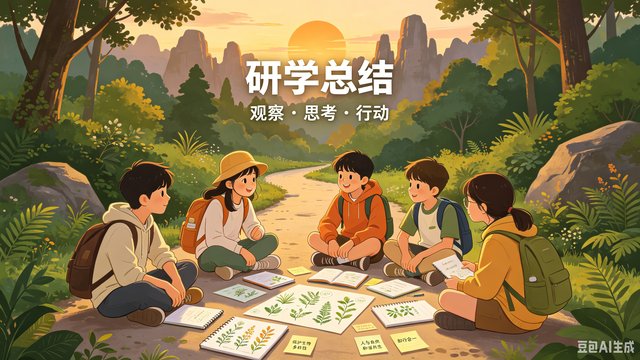
同学们,充实的雨林研学之旅即将圆满结束。现在我们一起梳理、整合今日所学的知识与感悟,完成一场知识与思想的双重升华。
我们从园区基础概况出发,认识了这座"绿色教科书"的规模、价值与保护使命;
深入傣族文化展区,读懂了少数民族千年传承的生态智慧,明白了人与自然唇齿相依的生存逻辑;
漫步国树国花园,见识了全球多样的植物符号,领悟了生物多样性与文化多样性共生共荣的独特魅力;
走访名人名树园,聆听了一代代科研人与国际友人的护林故事,读懂了坚守、奉献与全民护生态的初心;
探秘绿石林景区,见证了绝境之中生生不息的生命力量,解锁了喀斯特地貌与雨林共生的生态奥秘;
收官民族植物园,接轨现代科学与民族传统两大知识体系,读懂了自然实践经验与科学理论相辅相成的价值真谛。
今天的研学,我们不止认识了千百种热带植物,更跳出了单一的植物认知,学会了用生态视角、文化视角、辩证视角看待自然万物。我们知晓了每一株植物都有独特的生存智慧,每一片雨林都是完整的生命系统,每一种民族生态文化都是珍贵的文明财富。
曾经我们以为的“植树护绿”,是简单的保护环境;今天我们深刻明白,保护一株植物,守护一片雨林,就是守护生态平衡、延续民族文化、保全地球生命、造福人类未来。生态保护从来不是一句口号,而是藏在每一次观察、每一次坚守、每一次敬畏自然的行动里。
研学的终点,是践行的起点。希望同学们走出这座植物园后,能把今日的所见、所思、所悟装进生活。始终保持对自然的敬畏与热爱,主动关注生物多样性保护,尊重自然规律、传承生态智慧,从小事践行绿色理念,做自然的观察者、守护者、传播者,真正实现知行合一,人与自然和谐共生。
最后,恭喜大家圆满完成本次西双版纳热带植物园雨林研学课程!愿大家心怀山海、敬畏自然,在往后的学习生活中,持续探索自然奥秘,坚守生态初心,向阳生长、逐光前行!
English:
Dear students, our fulfilling rainforest research tour is coming to an end. Let’s summarize what we have learned and gained today to achieve dual improvement of knowledge and thinking.
Starting from the basic overview of the garden, we learned about the scale, value and protection mission of this "green textbook";
Exploring the Dai cultural exhibition area, we understood the millennium-old ecological wisdom of ethnic minorities and the inseparable relationship between humans and nature;
Wandering in the National Tree and National Flower Garden, we appreciated diverse global plant symbols and comprehended the integration and co-prosperity of biodiversity and cultural diversity;
Visiting the Famous Trees Garden, we listened to the stories of scientific researchers and international ecological protectors, and learned the dedication and perseverance of ecological protection;
Exploring the Green Stone Forest, we witnessed the tenacity of life in harsh environments and uncovered the ecological mysteries of the coexistence of karst landforms and rainforests;
Finishing with the Ethnobotanical Garden, we connected modern science with traditional ethnic knowledge, and understood the complementary value of practical experience and scientific theories.
During this study tour, we have not only known thousands of tropical plants, but also learned to view nature from ecological, cultural and dialectical perspectives. Every plant has unique survival wisdom, every rainforest forms a complete life system, and every ethnic ecological culture is a precious treasure of human civilization.
We used to regard environmental protection as a simple act of planting trees and protecting greenery. Today, we deeply understand thatprotecting plants and rainforests means maintaining ecological balance, inheriting ethnic culture, preserving earth’s life and benefiting humanity’s future. Ecological protection is never a slogan, but lies in every observation, every persistence and every act of revering nature.
The end of research study is the starting point of practice. I hope you can apply what you have learned to daily life. Always maintain reverence and love for nature, pay attention to biodiversity protection, respect natural laws, inherit ecological wisdom, and practice green concepts in small deeds. Be observers, guardians and disseminators of nature, and truly realize the unity of knowledge and action, and harmonious coexistence between humans and nature.
Finally, congratulations on successfully completing the Xishuangbanna Tropical Botanical Garden research course! May you cherish nature, explore the mysteries of ecology continuously, keep your original intention, and grow up vigorously in your future study and life!

(陈大衡协同AI创作)
文化旅游观察者
人民号优选号主