iPhone版
  Android版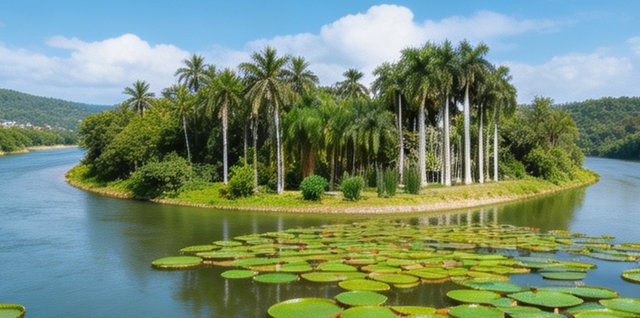
西双版纳热带植物园完整导游词
Complete Tour Guide of Xishuangbanna Tropical Botanical Garden
开场与概况 | Opening & Overview
中文: 各位游客朋友们,欢迎来到中国科学院西双版纳热带植物园!我是今天的导游。很荣幸为大家服务。 咱们这儿可真是个“绿色奇迹”——中国最大的植物园,没有之一。整个园区占地1125公顷,比1500个足球场还要大。现在收集着14000多种活植物,建有39个专类园区。还有一片保存完好的原始热带雨林,面积大概有250平方公里。说到底啊,这儿就是一个“植物的王国、雨林的博物馆”。 这个园子是由著名植物学家蔡希陶先生于1959年领导创建的。从那时候到现在已经六十多年了。这些年来,咱们的科研人员在这儿做了大量的工作,为保护濒危植物、研究生态学、推广科普教育做出了巨大贡献。 好,现在咱们就开始咱们的“绿色之旅”吧!
English: Welcome, everyone, to Xishuangbanna Tropical Botanical Garden of the Chinese Academy of Sciences! I'm your guide today, and it's my pleasure to serve you. This place is truly a "green miracle" — China's largest botanical garden, and we're not exaggerating. The entire garden covers 1,125 hectares — more than 1,500 football fields — and conserves over 14,000 living plant species across 39 specialized plant collections. We even maintain a pristine primary tropical rainforest covering about 250 square kilometers.
In a nutshell, this is a "kingdom of plants and a museum of the rainforest." The garden was founded in 1959 under the leadership of the renowned botanist Professor Cai Xitao. Over the past 60-odd years, our researchers have done extensive work here, making tremendous contributions to protecting endangered species, advancing ecology research, and promoting science education. Alright, let's begin our "green journey"!
第一站:花的世界 | Section 1: The World of Flowers
百花园 | Hundred Flowers Garden
中文: 各位,咱们首先来到的是百花园。这是咱们园区的“明星景点”,也是来这儿的游客必须要看的地方。占地353亩,收集了645种热带花卉。说白了,这儿就是个“花的海洋”。 你们看,这儿的花不是随意摆放的。设计师们特别费心思——有的单独种植,让你们能看清楚每一朵花的美丽;有的成片连成一片,远看就像是被花海淹没了;有的多个品种集中在一起,让你们能对比欣赏。 最有意思的是,咱们充分利用了地形和水域。春天来,这儿就像“天女散花”;夏天来,“层林尽染”“五彩缤纷”;秋冬季节,“花开花落”。无论什么时候来,都能看到不同的景色。 而且啊,这儿不仅展示花本身的美,更展示花背后的文化。你们走在园子里,会看到各种对联、诗句、字画,讲的都是古人怎么欣赏花、用花来表达感情。所以这个园子既是植物学的课堂,也是中国文化的展览厅。
English: Ladies and gentlemen, our first stop is the Hundred Flowers Garden — the crown jewel of XTBG and an absolute must-see. It spans 353 mu and displays 645 tropical flower species. In a word, it's a "sea of blooms." Look around — these flowers aren't randomly placed. The designers put great thought into the layout. Some are planted individually so you can appreciate each flower's unique beauty; some are planted in masses, creating the feeling of being surrounded by flowers; and some group multiple varieties together for easy comparison. What's really clever is how they use the terrain and water features.
Come in spring, it feels like "flowers scattered by celestial maidens"; summer brings "forests tinted in layers" and "a riot of colors"; in fall and winter, you see "blossoms and fading flowers". No matter when you visit, the landscape is different. But here's the special part — we don't just celebrate the flowers' beauty; we celebrate the culture behind them. Walking through, you'll see couplets, poems, and calligraphy all around, telling how ancient poets appreciated flowers and used them to express emotions. So this garden is both a botany classroom and a museum of Chinese culture.
奇花异木园 | Exotic Flowers & Rare Trees Garden
中文: 各位,接下来咱们去“怪物的秀场”——奇花异木园。这儿的植物啊,一个比一个“妖怪”,一个比一个奇葩!占地12亩,收集了254种奇花异木。 你们看这棵酒瓶棕,树干膨大得就像个真的酒瓶,还有象腿树,粗得像大象腿一样。这儿有个特别有名的植物叫“老虎须”——花的样子真的像胡须;还有“跳舞草”,最神奇的是,你们靠近它的时候,它的叶子会跳舞!不骗你们,这是真的。 还有佛肚树,树干膨大起来,就像个胖和尚的肚皮。还有那个“世界花之最”——巨花马兜铃,花朵大得惊人,但坦白说吧,味道特别难闻,因为它是用来吸引苍蝇和小虫子传粉的。 咱们这儿还有各种观果植物。
有个神秘果,黑黑的,吃过的人就知道,它有个特别的功能——吃过它以后,再吃酸的东西,你就会感觉是甜的!还有可可树,就是巧克力的原料;还有乳茄,果实造型奇特饱满,是极具观赏性的观果植物。 这个园子的特色就是奇、异、特。每一棵植物都在那儿说:“看我,我最特殊!”这也是为什么这儿是游客必来的地方。
English: Next up, folks, is the "monster showcase" — the Exotic Flowers & Rare Trees Garden. Every plant here is more unusual than the last! Covering 12 mu, it features 254 exotic species. See this bottle palm? The trunk swells up just like an actual wine bottle. And the elephant-leg tree — literally as thick as an elephant's leg. We have a plant called "tiger whiskers" here — the flowers really do look like facial hair. Then there's the "dancing grass" — and here's the craziest part: when you get close to it, its leaves actually move and "dance"! No kidding, it's real. Over there is the Buddha belly tree — the trunk puffs out like a fat monk's belly. And check out this one — the "world's most extreme flower," the giant Aristolochia.
The blooms are unbelievably huge, but honestly? The smell is terrible, because it attracts flies and insects for pollination. We've also got all sorts of ornamental fruit plants. There's the miracle fruit — it's black and magical. Those who've tried it know: after you eat it, sour things taste sweet! We have cacao trees, the source of chocolate; and there's Solanum mammosum, with uniquely plump and distinctive fruits, a highly ornamental fruiting plant. The specialty of this garden is uniqueness, strangeness, and distinctiveness. Every plant is basically saying, "Look at me, I'm the weirdest!" That's exactly why everyone has to come here.
滇南热带野生花卉园 | South Yunnan Tropical Wild Flower Garden
中文: 各位,这是咱们滇南热带野生花卉园。说起来,这是中国第一个热带野生花卉专类园,建成于2004年,占地31亩。 咱们这儿和前面的百花园有什么不一样呢?百花园是展示的“园艺化”的花,经过人工驯化和培育。而这个园子里的呢,就是野生的、自然生长的热带花卉。收集了250种来自云南热带和南亚热带地区的野生观赏花卉。 设计这个园子的时候,咱们用的是生态学的方法。看到没有,这儿有10亩的水域,大树、灌木、小草、藤本,都按照自然的方式混合种植。花红水映,景观别致。你们走在里面,就像走进了一个真实的、未被过度开发的热带雨林。 这儿保存的野生花卉,有些在原产地已经很难找到了,所以这个园子在保护濒危植物方面意义重大。
English: Here we have the South Yunnan Tropical Wild Flower Garden — China's first specialized garden dedicated to tropical wild flowers, built in 2004 and covering 31 mu. What's the difference between this and the Hundred Flowers Garden we just saw? The Hundred Flowers Garden displays horticultural flowers — ones that have been domesticated and cultivated by humans.
This garden, on the other hand, showcases wild flowers in their natural state. We've collected around 250 wild ornamental flower species from tropical and subtropical Yunnan. When designing this garden, we used ecological principles. See that 10-mu water body? The big trees, shrubs, herbs, and vines are all mixed and planted naturally. The blooming flowers are mirrored in the water, creating a distinctive landscape. Walking through feels like stepping into a real, underdeveloped tropical rainforest. Many of the wild flowers we preserve here are extremely rare in their native habitats, so this garden plays a crucial role in protecting endangered plants.
百香园 | Spice Garden
中文: 各位,现在咱们来到百香园。这是一个“香料王国”——占地86亩,收集了104种以上的重要香料植物。 你们可能不知道,中国古代的丝绸之路啊,最重要的贸易商品不仅仅是丝绸,还有香料。这些香料从南亚、东南亚传入中国,又通过丝绸之路传向欧洲。有些香料贵比黄金! 咱们这儿有世界名贵的香料——依兰香,有人就是用它来提香精;丁香,中医里特别常用;檀香,不仅香,还能入药;还有土沉香,这东西特别珍贵。
咱们还有香荚兰,就是香草的一种,用来制作冰淇淋和甜点。肉豆蔻啊,锡兰肉桂啊,这些都是世界顶级的香料。 但是啊,咱们这儿还特别强调本地、本民族的香料文化。比如香茅草和刺芫荽,傣族人用来做烧烤的调味料;还有勐海黄樟,含有特别高的樟脑;细毛樟,含有各种香气成分——这些都是云南特有种,世界上很难找到。 这个园子可以说是中国最大的香料植物活基因库。咱们不仅保存这些植物,还在研究它们的开发利用潜力,为中医、食品、香精、化妆品等产业提供素材。
English: Alright, everyone, we're now in the Spice Garden — a "kingdom of aromas"! Covering 86 mu, it conserves over 104 important spice species. You might not know this, but along the ancient Silk Road, spices were just as valuable as silk itself. These aromatic plants traveled from South and Southeast Asia into China, then onwards to Europe through the Silk Road. Some spices were literally worth their weight in gold! We have world-famous aromatic plants here. There's Cananga odorata, used for perfume extraction; clove, widely used in traditional Chinese medicine; sandalwood, which smells wonderful and has medicinal properties; and Aquilaria sinensis, extremely precious.
We have vanilla orchids used in ice cream and desserts, nutmeg, Ceylon cinnamon — these are top-tier spices worldwide. But what's special is our emphasis on local, ethnic spice culture. For example, lemongrass and saw-leaf herb — used by the Dai people for barbecue seasoning. And plants like Cinnamomum menghaiense, rich in camphor; Cinnamomum tenuipile, packed with various aromatic compounds. These are all Yunnan endemics, extremely rare worldwide. This garden is basically China's largest living gene bank of spice plants. We don't just preserve them — we research their potential for development, providing materials for TCM, food, perfume, and cosmetics industries.
第二站:绿色之肺 | Section 2: The Green Lungs
榕树园 | Banyan Garden
中文: 各位,咱们现在进入了一个特别的园子——榕树园。这个园子在1996年建立,占地有两个版本,一个是44亩,一个是20亩,具体哪个我们先别计较,重要的是,这儿收集了100多种榕树。 榕树啊,在西双版纳,就像是这片雨林的“国民植物”。你们看这棵高榕,树冠大得可怕,分枝特别粗壮。为什么这么重要呢?因为它给附生植物、藤本植物、各种喜荫和耐荫的植物提供了绝好的生活空间。 而且,榕树开花结果特别频繁。它的果实啊,一年四季都在供应,为雨林里的鸟、兽、昆虫提供了源源不断的食物。可以说,没有榕树,整个热带雨林的食物链就会崩塌。 最有趣的是,榕树会上演一场“绞杀大戏”。
有些植物种子掉在榕树的枝杈上,慢慢地发芽生长,根系越来越粗,最后把榕树"勒死"了,自己却活了下来。听起来残酷吧?但这就是雨林的生存法则。 还有"树包塔"现象——榕树强大的根系能把周围的建筑、石头、其他树木全部包裹起来。咱们园子里就有这样壮观的景观。 更神奇的是,本地的傣族人、哈尼族人,他们把某些榕树视为神树、佛树来供奉。菩提树就是代表。而且,榕树的果实和叶子是当地民族重要的野生蔬菜来源,还有很多榕树是重要的民族药用植物。 所以啊,这个园子不仅仅是植物学意义上的展示,更是一个文化的展厅。
English: Folks, we're now entering a special garden — the Banyan Garden, established in 1996 and conserving over 100 fig species. Figs are basically the "national plant" of Xishuangbanna's rainforest. Look at this Ficus altissima — the canopy is huge, and the branches are incredibly thick. Why is this so important? Because it provides perfect living spaces for epiphytic plants, climbing vines, and all sorts of shade-loving plants.
Moreover, fig trees fruit constantly. Their fruits are available year-round, providing an endless food source for rainforest birds, animals, and insects. Without figs, the entire rainforest food chain would collapse. Here's something fascinating: the "strangling phenomenon." Sometimes seeds land on fig branches, germinate, and grow roots that become thicker and thicker, eventually "strangling" the fig tree — but the intruder survives.
Sounds brutal, right? But that's the rainforest's survival law. Then there's the "tree embracing pagoda" phenomenon — the fig's powerful roots can wrap around buildings, stones, and other trees. We have spectacular examples of this in our garden. Even more interestingly, the local Dai and Hani peoples regard certain figs as sacred trees to be worshipped. The Bodhi tree is a perfect example. Plus, fig fruits and leaves are important wild vegetables for local communities, and many figs are valuable medicinal plants in ethnic medicine. So this garden is more than just botany — it's a showcase of culture too.
藤本园 | Vine Garden
中文: 各位,接下来咱们进入藤本园。这个园子2014年才正式对外开放,占地100亩,但为什么要专门建一个看藤的园子呢?很多人一开始可能想不通。 让我告诉你们,在热带雨林里,藤本植物就像是森林的“高速公路”。它们连接着上下层的植物,小鸟、松鼠、各种猴子,都得靠这些藤来活动。有些动物一辈子都在藤上生活,从不落地。
咱们这个园子按照藤本植物的不同攀援方式分成几个区:有园艺观赏藤本区,展示那些特别漂亮、特别适合观赏的藤;有自然生态藤本区,这些是本地自然生长的野生藤,生机勃勃;还有悬垂藤本区,这些藤就垂挂下来,特别有诗意。 咱们收集了700多种植物,其中藤本就有400多种。最重要的科属包括夹竹桃科、豆科、紫葳科、五味子科等等。你们走在这个园子里,就像走进了一个立体的、活动的、充满生机的绿色迷宫。 有些藤可以食用,有些可以入药,有些就是为了好看。有些藤的花特别香,吸引各种传粉者。咱们这儿确实是物种比较丰富的精品专类园。
English: Now, everyone, let's enter the Vine Garden, which opened to the public in 2014 and covers about 100 mu. You might wonder why we'd dedicate an entire garden to vines alone? Let me explain: in tropical rainforests, vines are like the forest's "superhighway." They connect different forest layers, and birds, squirrels, and various primates depend on them for movement. Some animals spend their entire lives on vines, never touching the ground.
Our garden is divided into zones based on how different vines climb: the ornamental horticultural vine zone showcases especially beautiful, ornamental vines; the natural ecological zone features wild native vines thriving naturally; and the hanging vine zone displays vines that dangle gracefully — absolutely poetic. We've collected over 700 plant species, more than 400 of which are vines. The major families include Apocynaceae, Fabaceae, Bignoniaceae, and Schisandraceae. Walking through feels like navigating a three-dimensional, living, vibrant green maze. Some vines are edible, some medicinal, some purely ornamental. Some vine flowers smell amazing and attract pollinators. This garden is definitely one of our premium specialized collections.
百竹园 | Hundred Bamboo Garden
中文: 各位,现在咱们进入百竹园。这个园子有个特殊的名字,叫"西园百竹园",建于1965年,占地104亩。一看名字就知道,这儿是竹子的世界——咱们收集了250多种竹子。 在中国,竹子可是文化象征。"竹报平安""竹子气节高洁",咱们的先人特别喜欢竹子。但这儿的竹子,不仅仅是文化意义,更是生态价值、经济价值都特别大。 咱们的竹子来自云南南部、广东、广西、海南,还有东南亚热带国家。有些是珍贵竹种。比如巨龙竹,茎粗能达到25厘米!还有佛肚竹,竹子之间膨大得就像佛祖的肚皮。
还有黄金间碧竹,黄绿相间,特别漂亮。 最特殊的是,当地傣族人用一种糯米香竹来做竹筒饭。你们吃过竹筒饭吧?那香喷喷的米饭,就是在竹筒里面蒸出来的。还有刺竹,竹枝上长满了刺,特别凶悍。还有一种罕见的藤竹,能缠树、能攀爬,是一种“武装”的竹子。还有凤尾竹,具有浓郁的傣族风情,特别受欢迎。 咱们这个百竹园是中国国内竹种收集最多的专类园之一,也是世界上丛生竹收集最大的园地。竹子不仅是中国文化的象征,更是可持续发展的好素材。
English: Alright, everyone, welcome to the Hundred Bamboo Garden — formally called the West Garden Bamboo Collection, established in 1965, covering 104 mu. From the name alone, you know this is bamboo central — we've got over 250 bamboo species. In Chinese culture, bamboo is a cultural symbol. "Bamboo reports peace," "bamboo embodies noble character" — our ancestors absolutely loved bamboo. But here, bamboo has not just cultural value but also significant ecological and economic importance. Our bamboos come from southern Yunnan, Guangdong, Guangxi, Hainan, and tropical Southeast Asian countries. Many are rare species. For example, Dendrocalamus sinicus — the stem can be up to 25 cm thick! Then there's Bambusa ventricosa, where sections bulge out like Buddha's belly.
And Bambusa vulgaris 'Vittata' — yellow and green stripes, absolutely beautiful. What's special is that the local Dai people use Cephalostachyum pergracile to make bamboo-tube rice. You've probably had bamboo-tube rice before, right? That fragrant rice steamed inside bamboo tubes? Then there's the thorny bamboo, covered in spines — quite fierce looking. There's also a rare climbing bamboo that wraps around trees and climbs — an "armed" bamboo, you might say. And Bambusa multiplex, featuring strong Dai ethnic characteristics and very popular. Our Hundred Bamboo Garden ranks among China's largest collections of bamboo species and is one of the world's major sympodial bamboo collections. Bamboo is not just a cultural symbol of China but also excellent material for sustainable development.
第三站:药材宝库 | Section 3: Medicinal Treasure Trove
南药园 | Southern Medicinal Garden
中文: 各位,现在咱们来到南药园。这是个特别的园子,占地50亩,收集了近500种药用植物。 说起来,"南药"是什么?南药就是产自中国南方,特别是西双版纳这一带的、用于防治疾病的天然植物。这个概念在中医里特别重要。而且,咱们不仅保存南药,还保存傣药和哈尼药——这些都是少数民族特有的医学体系。 咱们这个园子按照不同的药用植物特点分成了几个小区:南药区、民族药区、中华药区、原料药区等等。南药区展示的有龙血树,你们可能听说过“龙血竭”吧?那就是从龙血树提取的。还有槟榔、益智、砂仁、肉桂——这些都是中医里特别常见的药材。还有胖大海,嗓子不舒服的时候泡一泡。
还有檀香,很贵重。印度大风子、马钱子、萝芙木等等,都是南方的著名药物。 民族药区展示的就是傣族、哈尼族、基诺族人民的智慧。比如大叶火筒树、葫芦茶、黄姜花等,都是当地民族传统使用的药用植物。这些植物可能在医学教科书上看不到,但人家用了几百年、几千年,特别有效。 中华药区呢,保存的是咱们中华医学特别重视的植物。曼陀罗、芦荟、川牛膝、车前草、仙茅等等,这些都是入选了《中国药典》的重要药物。 这个园子的特色就是展示了医学的多样性——南方的医学智慧、民族的医学传统、中医的医学体系,都集中在这儿。
English: Now, everyone, we arrive at the Southern Medicinal Garden, occupying 50 mu with nearly 500 medicinal plant species. What is "southern medicine"? It refers to natural plants from southern China, especially around Xishuangbanna, used to prevent and treat diseases. This concept is particularly important in TCM. And we don't just preserve southern medicines but also Dai medicines and Hani medicines — unique medicinal systems of ethnic minorities.
Our garden is divided into zones based on plant characteristics: southern medicine zones, ethnic medicine zones, Chinese materia medica zones, raw medicine zones, and more. The southern medicine zone displays dragon's blood tree — you've probably heard of "dragon's blood resin," right? That's extracted from this tree. We have areca palm, galangal, cardamom, cinnamon — all very common in TCM.
We have Sterculia lychnophora, great for sore throats when brewed. We have sandalwood, quite precious. Hydnocarpus pentandrus, nux vomica, and Rauvolfia verticillata are all famous southern medicines. The ethnic medicine zone showcases the wisdom of the Dai, Hani, and Jino peoples. Plants like Leea macrophylla, Desmodium triquetrum, and Hedychium coronarium are traditional medicinal plants of local ethnic groups. These might not appear in medical textbooks, but local people have used them for centuries or even millennia — and they work!
The Chinese materia medica zone preserves plants highly valued in Chinese medicine. Datura stramonium, aloe, Cyathula officinalis, Plantago asiatica, and Curculigo orchioides are all important medicines officially listed in the Chinese Pharmacopoeia. The specialty here is demonstrating medical diversity — southern medical wisdom, ethnic medical traditions, and TCM systems all concentrated in one place.
龙血树植物专类园 | Dracaena Specialized Garden
中文: 各位,这是龙血树植物专类园,占地16亩,建于2002年。说起龙血树,它有个特别的名字,对吧?为什么叫这个名字呢?因为它的树脂是暗红色的,看起来像血一样,所以古人就想象这是龙的血,给它起名叫"龙血树"。 这个园子特别有意思的地方是,它依着山丘而建,分成两个大区:一个是栽培龙血树区,一个是野生龙血树区。野生区再分成中国龙血树和国外龙血树。咱们收集了78种和品种的龙血树,基本把中国分布的所有龙血树种类都保存下来了。
龙血树特别珍贵,因为它的树脂“龙血竭”是名贵的中药。咱们中医里特别重视活血化瘀,龙血竭就是个“活血圣药”。所以这个园子的建立,为咱们国家申报国家科技项目、研发这个重要的中药提供了基础。 为了让园子看起来更有层次、更有色彩,咱们还收集了30种的彩叶朱蕉、龙舌兰、丝兰等其他属的植物。这些植物的叶子各种颜色,有红的、有黄的、有紫的,和龙血树搭配在一起,特别漂亮。
English: Here's the Dracaena Specialized Garden, covering 16 mu and established in 2002. When you hear "dracaena," you might wonder about the name, right? Why is it called dragon's blood tree? Because its resin is dark red, looking like blood. Ancient people imagined this was dragon's blood, so they named it accordingly.
What's special about this garden is that it's built on a hillside, divided into two main areas: one for cultivated dracaena and one for wild species. The wild area further splits into Chinese and foreign dracaena species. We've collected 78 dracaena species and cultivars, basically preserving all wild dracaena species distributed in China. Dracaena is especially precious because its resin, dragon's blood resin, is a valuable Chinese medicinal material.
TCM particularly emphasizes promoting blood circulation and removing blood stasis — and dragon's blood resin is the "blood-activating sacred medicine." So establishing this garden laid the foundation for national scientific research projects and drug development for this important TCM material. To make the garden more layered and colorful, we've also collected 30 species of other related plants like variegated cordyline, agave, and yucca. These plants display various leaf colors — red, yellow, purple — and when arranged with the dracaena, they look absolutely stunning.
野生兰园 | Wild Orchid Garden
中文: 各位,这是咱们的野生兰园,占地9.08亩,建于2000年。兰花啊,在中国文化里特别有地位。“梅兰竹菊四君子”,兰花排在第二位。但这儿的兰不是咱们家里养的那种盆栽兰,而是野生兰。 咱们这儿收集了近200种野生兰科植物。有石斛属、万代兰属、鹤顶兰属……这些名字一听就很诗意对吧?咱们保存的兰花包括了各种生活方式的兰——有的长在石头上(石生兰),有的长在地上(地生兰),有的长在树上(附生兰)。在热带雨林里,兰花特别多,因为那儿湿度大、温度合适。
这个园子特别重要,因为很多野生兰花现在已经濒临灭绝了。有些兰花的种子特别小,生长特别慢,加上人为采挖,导致野生资源越来越少。所以咱们这个园子在保护兰科植物资源方面意义重大。 咱们的科研人员在这儿进行兰科植物的引种驯化、保存培育、生物学特性研究等等工作。这儿已经成为中国国内从事兰科植物研究的重要基地。
English: Here we have the Wild Orchid Garden, covering 9.08 mu and established in 2000. Orchids hold a special place in Chinese culture. In the famous "four treasures" — plum, orchid, bamboo, and chrysanthemum — orchids rank second. But the orchids here aren't the potted varieties you grow at home; these are wild orchids. We've collected nearly 200 wild Orchidaceae species. There's Dendrobium, Vanda, Phaius — these names just sound poetic, don't they? Our collection includes orchids with various lifestyles: some grow on rocks (lithophytic), some on the ground (terrestrial), some on trees (epiphytic).
In tropical rainforests, orchids are incredibly abundant because of high humidity and suitable temperatures. This garden is particularly important because many wild orchids are now critically endangered. Some orchid seeds are tiny and grow very slowly, and combined with human harvesting, wild resources have dwindled dramatically. So this garden plays a crucial role in orchid conservation. Our researchers conduct orchid species introduction, acclimatization, cultivation, and biological research here. The garden has become an important domestic base for Orchidaceae research.
第四站:食物森林 | Section 4: The Food Forest
野生蔬菜园 | Wild Vegetable Garden
中文: 各位,接下来咱们进入野生蔬菜园。这个园子占地150亩,是个特别大的园区。咱们在这儿收集了400多种野生食用植物及其栽培近缘种。 为什么要建这样一个园子?因为在现代社会,人们吃的蔬菜大多是经过驯化、栽培、商业化的品种。但在人类历史上,咱们祖先吃的大多是野生的食用植物。这些野生植物啊,有的营养丰富,有的有特殊的保健功能。咱们这个园子就是要展示和保护这些宝贵的野生食用资源。
这个园子按照植物的食用部位分成了几个区域:野生食果区——展示的是那些能提供野生果实的植物;野生食花区——有些花能吃,有些特别香;野生食茎叶区——像野菜一样可以采摘食用;野生食根区——根茎类的食用植物。 你们知道吗,很多咱们现在吃的蔬菜,最初都是来自野生植物。比如白菜,祖先是野芜菁。比如番茄、辣椒,是从美洲传来的。所以咱们保存这些野生食用植物的近缘种,对农业的多样化、食品的安全性、人类未来的食物供给都有重要意义。 这个园子是世界上收集保存野生食用植物种类最多、面积最大的专类园。
English: Alright, everyone, now we're entering the Wild Vegetable Garden. This garden covers 150 mu — quite massive. We've collected over 400 wild edible plants and their cultivated relatives. Why build such a garden? In modern times, most vegetables we eat are domesticated, cultivated, commercialized varieties. But throughout human history, our ancestors ate mostly wild plants. These wild plants often have rich nutrition and special health benefits. This garden showcases and protects these valuable wild food resources.
The garden is divided into zones by plant edible parts: wild fruit zone — plants providing wild fruits; wild flower zone — some flowers are edible and specially fragrant; wild stem-and-leaf zone — like wild vegetables for harvesting; wild root zone — edible root and tuber plants. Did you know many vegetables we eat today originated from wild plants? Cabbage's ancestor was wild turnip. Tomatoes and peppers came from the Americas. Preserving wild food relatives is crucial for agricultural diversity, food safety, and humanity's future food security. This garden is the world's largest specialized collection of wild edible plant species.
百果园 | Hundred Fruits Garden
中文: 各位,现在咱们来到百果园。这是个占地90亩的大园子,收集了350种果树资源,包括各种品种。 咱们这儿展示的是中国南方、南亚和东南亚的热带和亚热带果树。有柚子、香蕉、波罗蜜、山竹、龙宫果、红毛丹、鳄梨、文定果等等。这些水果啊,有些咱们经常吃,有些可能比较陌生。 这个园子特别有特色的是,咱们建立了好几个小专题。比如芸香区,以柚子品种、香橼为主——香橼是什么呢?
就是那种大的、黄色的、用来佛教供奉或者泡茶的果子。还有杧果林,专门展示各种芒果品种。咱们还有一个芭蕉品种园,占地19亩,这个特别有意义。 芭蕉品种园收集了9种、66个品种的芭蕉。其中河口小香蕉、象明小香蕉等特殊品种,在它们的原产地已经很难找到了。这些是重要的育种材料,对香蕉产业的发展意义重大。 咱们还有饮料植物区,可可啊、可乐果啊,这些都是世界上重要的饮料原料。
English: Now, everyone, we're at the Hundred Fruits Garden, covering 90 mu with 350 fruit tree species and cultivars. We showcase tropical and subtropical fruit trees from South China, South Asia, and Southeast Asia. We have pomelo, banana, jackfruit, mangosteen, langsat, rambutan, avocado, and Muntingia calabura. Some you eat regularly, some might be unfamiliar. This garden has several special-focus areas. For example, the Rutaceae zone features pomelo varieties and citron — do you know what citron is? It's that large, yellow fruit used for Buddhist offerings or brewing tea.
We have a mango grove showcasing various mango cultivars. We also have a Banana Collection covering 19 mu, which is especially significant. The collection contains 9 species and 66 banana cultivars. Varieties like Hekou small banana and Xiangming small banana are extremely rare in their native habitats. These are valuable breeding materials with major significance for the banana industry. We also have a beverage plant zone featuring cacao and cola nut — both important global beverage raw materials.
水生植物园 | Aquatic Garden
中文: 各位,这是水生植物园。占地15亩,水面15亩。咱们收集了100多种水生植物。 有些游客可能觉得,水里面能有什么特别的植物?其实啊,热带地区的水生植物特别丰富。咱们这儿展示的就是不同生活方式的水生植物。 按照水的深度和植物的生活习性,咱们种植了各种不同的水生植物:浮叶植物,像睡美莲,叶子浮在水面上;浮水植物,像一些水葫芦,整个植株浮在水里;沉水植物,完全在水下;挺水植物,像荷花、芦苇,从水里挺出来;还有滨水植物,在水边生活的植物。 这个园子虽然面积不是最大的,但充分展示了水生生态的多样性。对于游客来说,这也是个很清凉、很放松的地方。
English: Here's the Aquatic Garden, covering 15 mu with 15 mu of water surface and over 100 aquatic plant species. Some visitors might think, "What could possibly be special about water plants?" Actually, tropical regions have incredibly diverse aquatic plants. We showcase water plants with different lifestyles. Based on water depth and plant habits, we cultivate various aquatic plants: floating-leaved plants like water lilies with leaves on the surface; free-floating plants like water hyacinth, suspended in water; submerged plants entirely underwater; emergent plants like lotus and reeds rising from water; and riparian plants living at the water's edge. Though not our largest garden, it fully demonstrates aquatic ecosystem diversity. For visitors, it's also a refreshing, relaxing space.
第五站:珍稀保护 | Section 5: Rare Species Protection
龙脑香园 | Dipterocarp Garden
中文: 各位,这是龙脑香园,占地101亩。建于1981年,虽然建的时间比较晚,但这儿的植物来自特别远的地方。 龙脑香科啊,是热带雨林里最重要的植物科。咱们从泰国、老挝、印度尼西亚、越南、斯里兰卡、新加坡,以及中国国内的广西、海南、云南德宏、西双版纳等地成功引种了7属34种龙脑香科植物。 最有名的就是望天树。这个名字特别有诗意,对吧?"望天树"——抬头才能看到树冠的树。望天树能长到80米高!在热带雨林里,这样的巨树就像摩天大楼一样。它的树冠形成了雨林的"天篷",是雨林最上层的关键树种。 但是啊,这里面有个悲伤的故事。从1959年开始,由于森林被大量砍伐、生境被破坏,龙脑香科的很多种类已经濒临灭绝。国产的龙脑香科植物几乎都被列为国家级的珍稀濒危保护植物。所以咱们这个园子,除了科研意义,更有重要的保护意义。
English: This is the Dipterocarp Garden, covering 101 mu, established in 1981. Though built later, the plants here come from far-flung places. Dipterocarpaceae is one of the most important plant families in tropical rainforests. We've successfully introduced 34 species from 7 genera from Thailand, Laos, Indonesia, Vietnam, Sri Lanka, Singapore, and from within China — Guangxi, Hainan, Dehong, and Xishuangbanna.
Most famous is the Parashorea chinensis, or "rainforest giant." The name is quite poetic — "gaze at the sky tree," a tree so tall you have to look up to see its crown. Parashorea can reach 80 meters high! In the rainforest, such giant trees are like skyscrapers. Their canopies form the rainforest's "ceiling," being key species of the uppermost rainforest layer. But there's a sad story here. Starting in 1959, due to massive deforestation and habitat destruction, many Dipterocarp species have become critically endangered. Nearly all native Chinese Dipterocarpaceae are now listed as nationally protected rare plants. So this garden has not just research value but crucial conservation significance.
珍稀濒危植物迁地保护区 | Ex Situ Conservation Area for Rare and Endangered Plants
中文: 各位,这是珍稀濒危植物迁地保护区,占地90公顷。"迁地保护"是什么意思?就是把濒危的野生植物从它的自然生境里采集回来,在人工创造的环境里进行保护、研究和繁殖。 这个保护区建于1974年,已经有50年的历史了。通过几十年的收集和保护,这儿现在保存了3000多种高等植物,其中引种的就有1500多种。最重要的是,咱们保存了100多种国家珍稀濒危植物和重点保护植物。 这个区域里还建有一些特殊的设施,比如森林生态系统观测塔、地表径流观测站等等,用于生态学研究。咱们的科学家们在这儿进行长期的监测和研究,研究森林的结构、功能、动态等等。 这个保护区的建立,对于拯救濒危物种、研究热带雨林、推进生态保护都有重要意义。
English: Here's the Ex Situ Conservation Area for Rare and Endangered Plants, covering 90 hectares. What does "ex situ conservation" mean? It means collecting endangered wild plants from their natural habitats and protecting, researching, and breeding them in artificially created environments. This conservation area was established in 1974 — now over 50 years old. Through decades of collection and protection, it now conserves over 3,000 higher plant species, with over 1,500 being introduced taxa.
Most importantly, we preserve over 100 nationally protected rare and endangered plants. Special facilities here include forest ecosystem observation towers and surface runoff monitoring stations for ecological research. Our scientists conduct long-term monitoring and research on forest structure, function, and dynamics. This area is crucial for rescuing endangered species, studying tropical rainforests, and advancing ecological conservation.
第六站:科研示范 | Section 6: Research & Demonstration
热带植物种质资源收集区 | Tropical Plant Germplasm Conservation Area
中文: 各位,这是热带植物种质资源收集区,建于2001年,占地100多亩,位于植物园的热带雨林区内。 什么叫"种质资源"?就是植物的遗传资源。咱们这个区域是"万种园项目"的引种栽培基地,这个项目是中国科学院和云南省的合作项目。咱们的目标就是人工收集、保存和栽培来自中国南方和东南亚的热带植物种质资源。 咱们已经收集、栽培了1400多种植物号,涉及130多个科,超过1000种植物。其中包括20多种国家珍稀濒危植物。 为什么要做这个工作?因为热带植物的多样性是巨大的,但是很多植物面临着生境丧失和物种灭绝的威胁。咱们通过人工栽培、保存这些植物,既保护了生物多样性,又为农业、医药、工业等领域提供了宝贵的遗传资源。 这个区已经成为中国国内植物园中人工收集、栽培、保存热带植物种类最多、最重要的基地。
English: Here's the Tropical Plant Germplasm Conservation Area, established in 2001, covering over 100 mu within our rainforest zone. What's "germplasm resources"? It's the genetic resources of plants. This area is a cultivation base for the "Ten-Thousand Species Garden Project," a CAS-Yunnan collaboration. Our goal is to artificially collect, preserve, and cultivate tropical plant genetic resources from South China and Southeast Asia. We've collected and cultivated over 1,400 plant accessions across 130+ families, totaling over 1,000 species, including 20+ nationally rare and endangered plants.
Why do this work? Tropical plant diversity is vast, but many face habitat loss and extinction threats. Through artificial cultivation and preservation, we protect biodiversity while providing valuable genetic resources for agriculture, medicine, and industry. This area is China's most important base for artificial collection, cultivation, and preservation of tropical plants.
热带复合农林模式展示区 | Tropical Agroforestry Demonstration Zone
中文: 各位,这是热带复合农林模式展示区,占地103亩。这个园区的特色就是展示可持续发展的农业模式。 什么叫"复合农林"?简单说,就是根据热带雨林多物种共存的原理,人工搭配种植多层多种植物,综合运用农业和林业技术,建立一个既能保护环境、又能提高产出的农业模式。 咱们这个区域展示了10多种不同的混农林模式。其中最有名的就是人工胶茶群落模式。什么意思?就是在橡胶树的下面种植茶树。
这样做的好处是什么?首先,橡胶树又高又大,能为茶树提供遮荫;其次,茶树在下层生长,充分利用空间;第三,既能生产橡胶,又能生产茶叶,经济效益特别高。这个模式已经在海南、云南等橡胶种植地区广泛推广,并且获得过1986年的中国科学院科技进步一等奖。 除了胶茶模式,咱们还展示了其他的复合模式,比如咖啡和可可的混农模式。这些都是既保护环境、又能让农民增收的好办法。
English: Here's the Tropical Agroforestry Demonstration Zone, covering 103 mu. This area showcases sustainable agricultural models. What's "agroforestry"? Simply put, it applies the multi-species coexistence principle of rainforests by artificially mixing multiple plant layers using integrated agricultural and silvicultural techniques to create a model that both protects the environment and increases yields.
We showcase over 10 different mixed agroforestry models. Most famous is the rubber-tea intercropping system. Here's how it works: plant tea under rubber trees. The benefits? First, tall rubber trees provide shade for tea; second, tea grows in the lower layer, maximizing space usage; third, you produce both rubber and tea — economically excellent. This model has been widely promoted in Hainan and Yunnan and won the 1986 CAS Science and Technology Progress First Prize. Beyond rubber-tea, we display other models like coffee-cacao intercropping. These balance environmental protection with farmer income.
️ 第七站:特色景观 | Section 7: Special Landscapes
绿石林景区 | Green Stone Forest Scenic Area
中文: 各位,这是绿石林景区,特别大,占地225公顷!位于葫芦岛的东部。这个地方特别有特点,森林覆盖率90%以上,自然环境特别优美。 为什么叫"绿石林"?因为这儿有个特别奇特的景象——"上有森林,下有石林"。什么意思?就是说,这儿既有郁郁葱葱的热带雨林,又有典型的石灰岩山森林。这些石灰岩形成了各种象形奇石,有的像飞禽走兽,有的像人物,千姿百态。树和石结合在一起,形成了世间少有的奇观。 这儿生长着1000多种高等植物,栖息着上百种野生动物。其中包括很多珍稀濒危动物,比如双角犀鸟——这种鸟特别稀有,中文名字里都要用上"双角"来形容它的特征;还有灰叶猴、峰猴、长臂猿等等,这些都是国家保护动物。 这儿还有特别丰富的热带兰科植物资源。咱们这个景区已经成为珍稀濒危动植物回归和综合保护的示范基地。
English: Now, everyone, meet the Green Stone Forest Scenic Area — massive, covering 225 hectares in the eastern part of Huludao Island! It's a special place with forest coverage exceeding 90% and beautiful natural scenery. Why "Green Stone Forest"? Because here exists a rare phenomenon: "forest above, stone forest below." The area features both lush tropical rainforest and typical limestone mountain forests.
These limestone formations create fantastical stone sculptures resembling various animals and figures — absolutely unique. Combining trees and stones creates one of the world's rare wonders. Over 1,000 higher plant species grow here with hundreds of wildlife species. Many are rare and endangered, like the great hornbill — so rare its Chinese name emphasizes its "double horns"; grey langurs, macaques, gibbons are all nationally protected animals. Rich tropical orchid resources flourish here. This area has become a demonstration site for reintroduction and integrated conservation of rare flora and fauna.
经济林木示范区 | Economic Tree Demonstration Zone
中文: 各位,这是经济林木示范区,占地900亩,特别大。这个区域的目标就是为热带植物的造林树种选择、引种驯化提供示范。 咱们在这儿种植了20多种热带珍贵用材树种。其中包括国家一级保护植物望天树——咱们前面在龙脑香园里看过,这儿也有;还有国家二级保护植物云南石梓、榆绿木;还有珍贵的用材树——柚木、花梨木、滇南红厚壳等等。 这些树长得特别快,树干挺拔笔直,高度已经达到20到30米。咱们的科研人员通过多年的研究,已经成功地掌握了这些珍贵树种的繁育技术和栽培技术。有些树种已经得到推广,为中国热带山区的经济建设、环保事业做出了贡献。 这个示范区对中国未来的热带造林事业有重要的指导意义。
English: Here's the Economic Tree Demonstration Zone, covering roughly 900 mu — quite expansive. Its purpose is demonstrating selection, introduction, and acclimatization of tropical timber species. We cultivate over 20 tropical valuable timber species, including Class I protected Parashorea chinensis that we saw earlier in the Dipterocarp Garden; Class II protected Gmelina arborea and Anogeissus pendula; plus precious timbers like teak, rosewood, and Calophyllum polyanthum.
These trees grow vigorously with straight trunks reaching 20–30 meters. Our researchers have mastered propagation and cultivation techniques for these precious species through years of research. Some have been widely promoted, contributing to economic development and environmental protection in tropical mountain regions. This demonstration area provides important guidance for China's future tropical reforestation efforts.
第八站:民族文化 | Section 8: Ethnic Culture
民族植物园 | Ethnobotanical Garden
中文: 各位,这是民族植物园,占地80亩。咱们把它设计为"热带雨林民族森林博物馆"。这是咱们整个植物园里,民族文化特色最浓厚的地方。 这个园子分成四个小区:民族药用植物区、食用植物区、宗教植物区、文学艺术植物区。咱们收集了82科359种民族植物。 民族药用植物区主要展示傣医的各种植物药。你们知道吗,傣医有八个著名的方剂,咱们这儿就展示这八个方剂所用的药用植物。傣医虽然和中医有联系,但也有自己独特的理论体系。 食用植物区展示的是傣族、哈尼族等民族的食用植物,包括食花植物和食叶植物等。这些植物可能在城市里看不到,但对当地民族来说,是生活中不可或缺的一部分。
宗教植物区特别有意思。分成两个部分:一个是佛教信仰植物,一个是原始多神教信仰森林及其植物。佛教植物区啊,咱们用艺术浮雕展示释迦牟尼一生的三个关键时期——出生、成道、涅磐——与植物的关系。咱们展示了佛教庭园必须种的"五树六花",还有佛教二十八代佛主的"成道树"。 原始多神教森林区呢,咱们围绕一个山丘,营造了"龙山林"和一些"神树"。通过山丘与水塘的联系,展示傣族传统的生态观:"没有森林就没有水,没有水就没有农田,没有农田就没有粮食,没有粮食人就不能活"。这句话特别朴素,但深刻地揭示了人类和自然的关系。
文学艺术植物区展示的是傣族的文明传承。咱们展示了从古代的芭蕉叶、竹片、贝叶,到近代用构树树皮制造的纸张——这些都是傣族的文字载体的演变过程。咱们还展示了傣族"赞哈"——就是歌手——创作的各种民间故事,像"滴水成歌""凤蝶启示""小鸟传言"等等,这些都是和热带雨林密切相关的富有诗情画意的传说。咱们还种植了一些青年男女在唱情歌时用来比喻的花卉和树木。所以啊,这个园子既展示了植物,也展示了文化、艺术、爱情。
English: Here's the Ethnobotanical Garden, covering 80 mu, designed as a "Tropical Rainforest Ethnic Forest Museum" — the most culturally rich section of our entire garden. Divided into four zones: ethnic medicinal plants, edible plants, religious plants, and literary & artistic plants. We've collected 359 ethnic plant species from 82 families. The ethnic medicinal zone showcases Dai herbal medicines. Did you know Dai medicine has eight famous formulas? We display the medicinal plants used in each. Though related to TCM, Dai medicine has its own unique theoretical system.
The edible plant zone features food plants of Dai, Hani, and other peoples, including flower-edible and leaf-edible varieties. These might not be seen in cities but are essential to local life. The religious zone is particularly fascinating, split into two: Buddhist sacred plants and primitive animist forest plants. In the Buddhist section, relief sculptures show Sakyamuni's three life stages — birth, enlightenment, nirvana — and their plant connections. We display the "Five Trees and Six Flowers" required in Buddhist gardens and the legendary "Bodhi trees" of the 28 Buddhas. The animist forest zone features a simulated "dragon forest" and sacred trees around a hillock.
Connecting hillside forest with ponds illustrates the ancient Dai philosophy: "No forest, no water; no water, no farmland; no farmland, no grain; no grain, no human survival." Simple yet profound, revealing humanity's relationship with nature. The literary & artistic zone displays Dai civilization's heritage. We show the evolution of writing carriers — from banana leaves and bamboo slips to palm leaves to paper made from Broussonetia bark. We showcase stories created by Dai Zanha singers like "Singing from Dripping Water," "Butterfly's Inspiration," and "Little Bird's Message" — poetic legends intimately connected to rainforests. We've even planted flowers and trees used as metaphors in love ballads. So this garden displays plants, culture, art, and romance.
其他特色专类园 | Other Special Collections
中文: 除了前面讲的这些园子,咱们还有很多其他的专类园,因为时间关系,咱们快速浏览一下: 荫生植物园:占地15亩,收集了600种植物。主要是观叶、观花、地生和附生植物,包括热带兰花、附生植物、姜科植物等。这儿特别阴暗,但植物却生机勃勃,很能说明热带雨林的生态多样性。 国树国花园:占地20亩,按世界六大洲分区。展示了80个国家的58种国树国花。你们走在这个园子里,就像走遍了整个世界。缅甸国花龙船花、老挝国花鸡蛋花、马达加斯加国花凤凰木……每一个都代表了一个国家的文化。
名人名树园:占地54亩。这里有英国爱丁堡菲利普亲王手植的望天树,还有植物园创始人蔡希陶教授、中科院原院长路甬祥教授分别手植的海南龙血树等,每一棵树都承载着一段历史记忆。 百香园:咱们前面讲过,是中国最大的香料植物活基因库。 龙血树园、野生姜园、裸子植物区、野生蕨类园等等,每一个都有自己独特的特色和科研意义。 所以啊,1125公顷的面积,39个专类园,真的是一个巨大的、充满奇迹的植物王国。
English: Beyond the gardens we've discussed, we have many other specialized collections. Due to time, let me quickly overview: Shade Garden: Covers 15 mu with 600 species. Focuses on foliage, flowering, terrestrial and epiphytic plants including tropical orchids. Though shady, plants thrive vibrantly, exemplifying rainforest biodiversity. National Tree and National Flower Garden: Covers 20 mu organized by six continents. Displays 58 national trees and flowers from 80 countries. Walking here is like traveling the world. Myanmar's ixora, Laos's plumeria, Madagascar's delonix — each represents a nation's culture.
Famous Trees Planted by Celebrities Garden: Covers 54 mu. It hosts the Parashorea chinensis planted by Prince Philip of the United Kingdom. There are also two Dracaena cambodiana specimens planted by Professor Cai Xitao, founder of the garden, and Professor Lu Yongxiang, former President of CAS. Each tree carries a piece of historical memory. Spice Garden: As discussed, China's largest living spice gene bank. Dracaena Garden, Wild Ginger Garden, Gymnosperm Area, Wild Fern Garden — each has unique characteristics and research significance. So across 1,125 hectares with 39 specialized gardens, we truly have a vast, miraculous plant kingdom.
结语 | Closing Remarks
中文: 各位游客朋友们,咱们今天的导览就要告一段落了。咱们游览了十多个主要景点,虽然还有很多园区没来得及详细介绍,但我希望你们已经感受到了西双版纳热带植物园的魅力。 回顾一下咱们的路线:从花的世界出发,看到了百花园的绚烂、奇花异木园的奇异、百香园的芬芳;然后进入绿色之肺,欣赏了榕树的生命力、藤本的多样性、竹子的优雅;接着来到药材宝库,见识了南药的智慧、龙血树的珍贵、兰花的秀美;再走进食物森林,品尝了自然的馈赠;然后进入保护区,看到了人类为濒危物种做出的努力;最后,咱们体验了民族植物园所代表的深厚的民族文化和生态智慧。
这个植物园啊,不仅仅是个景点,更是一本立体的、活的、充满故事的书。每一棵树、每一朵花,都在讲述着生命的故事、进化的故事、文化的故事、人与自然和谐相处的故事。 在这儿,你们看到的是大自然的奇迹,感受到的是科学的力量,学习到的是保护环保的重要性。咱们希望通过这次游览,能够唤起你们对自然的热爱、对生态的尊重、对民族文化的理解。 正如蔡希陶先生在建立这个园子时的初心——保存植物资源、研究生态规律、传播科学知识、保护生物多样性。这些初心今天仍然闪闪发光。 感谢大家的陪伴!如果大家有任何问题,欢迎随时提问。咱们下次再见!
English: Dear visitors, our tour is drawing to a close. We've visited over a dozen major attractions. Though many gardens deserve more detailed exploration, I hope you've felt the magic of Xishuangbanna Tropical Botanical Garden. Let's review our journey: starting from the world of flowers, we saw the Hundred Flowers Garden's splendor, the Exotic Garden's oddities, the Spice Garden's fragrances; then into the green lungs, admiring figs' vitality, vines' diversity, bamboos' elegance;
moving to the medicinal treasure trove, discovering southern medicines' wisdom, dracaena's preciousness, orchids' beauty; entering the food forest, experiencing nature's gifts; stepping into conservation areas, witnessing human efforts for endangered species; finally, experiencing the ethnobotanical garden's deep ethnic culture and ecological wisdom.
This garden isn't just a tourist site — it's a three-dimensional, living, story-filled book. Every tree, every flower tells stories of life, evolution, culture, and harmony between humans and nature. Here you see nature's wonders, feel science's power, and learn conservation's importance. We hope this tour awakens your love for nature, respect for ecology, and understanding of ethnic cultures. Just as Professor Cai Xitao intended when founding this garden — preserving plant resources, studying ecological principles, spreading scientific knowledge, protecting biodiversity — these ideals still shine brightly. Thank you for joining us! Please feel free to ask any questions. See you next time!
陈大衡协同多个AI进行创作
文化旅游观察者
人民号优选号主